


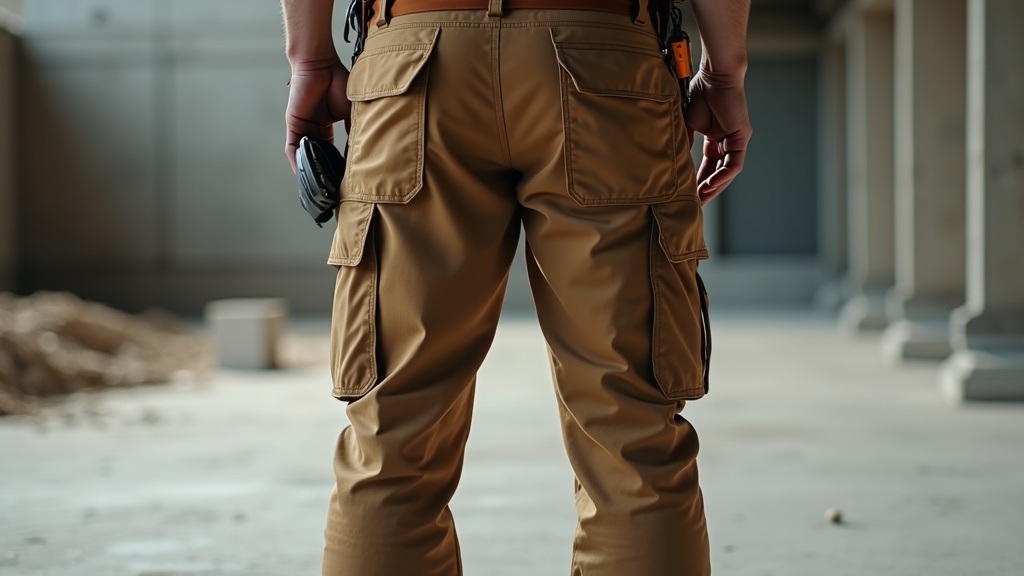
Your pants blew out at the knee by 10 a.m. Again. That's not bad luck, that's the wrong pair for the job.
Work pants with cargo pockets are not a fashion call. They're a tool. The wrong ones slow you down, wear out fast, and cost you money on repeat. The right ones carry your gear, move with you, and still look decent when you walk into the supply house.
Key points at a glance
- Ripstop and canvas fabrics outlast standard cotton blends by a significant margin on rough sites.
- Pocket placement matters as much as pocket count: deep thigh pockets beat shallow hip pockets every time.
- A relaxed or utility cut keeps you moving on ladders and in tight crawl spaces without ripping seams.
- Triple-stitched seams and bar-tacked stress points are the two non-negotiable construction details.
- Spending $45 to $75 on a quality pair beats replacing $25 pants every six weeks.
- Washing inside-out in cold water and skipping the dryer can double the life of your cargo work pants.
What a good pair actually gives you
What Makes a Cargo Work Pant Actually Worth Buying
Most heavy duty cargo work pants fail at the same three spots: the crotch seam, the cargo pocket stitching, and the knee reinforcement. A pair that survives past month three has addressed all three.
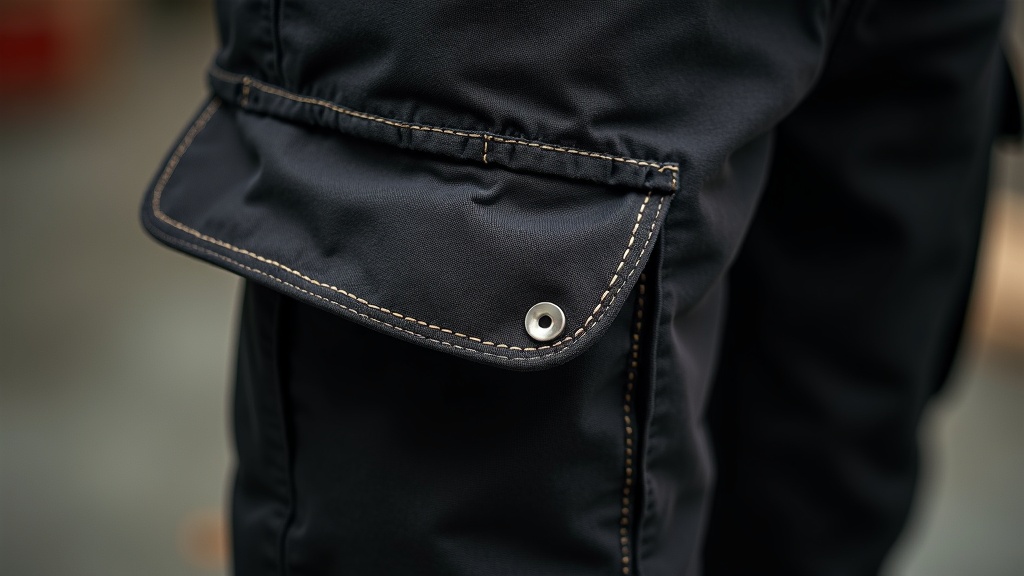
Look for triple-stitched or double-needle inseams and bar tacks at every pocket opening and belt loop. If you can't find that information on the label or the product page, assume the seams are single-stitched and move on.
Fabric That Survives the Job: Ripstop, Canvas, and Stretch Blends
Ripstop cargo work pants use a reinforced grid weave that stops tears from spreading. A small snag stays small. On a framing site or a demo job, that matters.
Canvas is heavier and stiffer but takes longer to wear through. A 10 oz to 12 oz cotton canvas is the go-to for construction work pants with pockets in cold months. In summer heat, a cotton-poly ripstop in the 6 oz to 8 oz range breathes better without sacrificing too much toughness.
Stretch blends, usually cotton with 2 to 4 percent spandex, have become standard in mid-range and premium lines. They let you squat, climb, and kneel without a fight. If you're on your knees regularly, a stretch-woven fabric is worth paying a few extra dollars for.
Did you know?
The ripstop weave pattern was originally developed for military parachutes during World War II. The interlocking grid threads prevent a puncture from becoming a full tear, which is exactly why it transferred so well to workwear.
How Many Pockets Do You Actually Need (and Where They Should Sit)
Six pockets is a good baseline: two front slash pockets, two rear pockets, and two large cargo pockets on the thighs. Seven if you add a utility loop or a small tool pocket on the right leg.
The cargo pockets themselves need to sit mid-thigh, not at the hip. Hip-height pockets dig into your side when you sit in a truck or on a bucket. Mid-thigh keeps the weight balanced and the pocket accessible without bending.
- Depth: At least 7 inches so a 25-foot tape measure sits fully inside without flopping.
- Closure: Button or snap flap beats Velcro on a dirty site. Velcro collects drywall dust and loses its grip fast.
- Dividers: A sewn-in divider inside the cargo pocket keeps your phone from rattling against screws and markers.
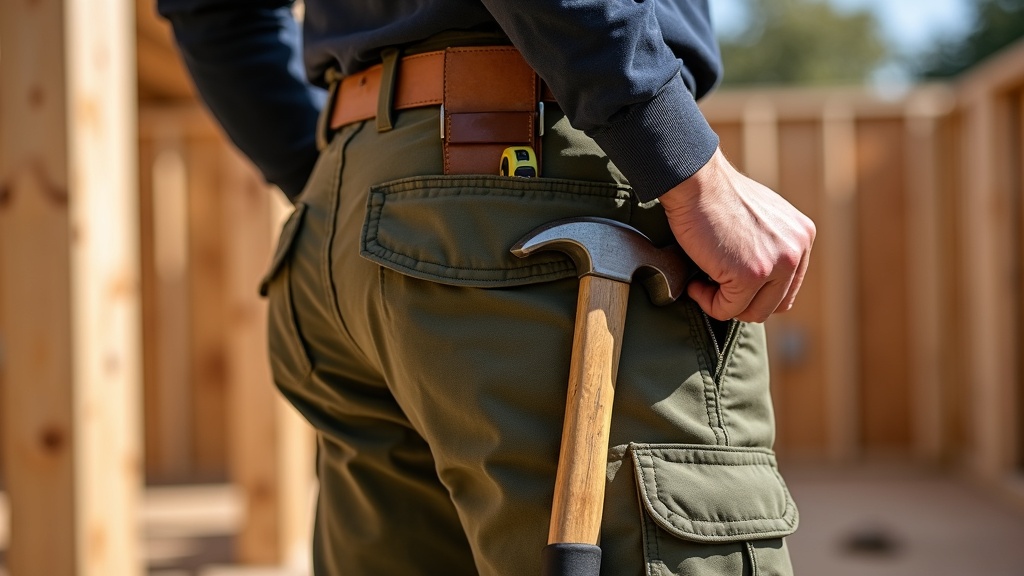
A cargo pant with a hammer loop on the right thigh is a bonus for framers and finish carpenters. Look for a metal D-ring version rather than a plain fabric loop. It holds weight without tearing off after a week.
Fit for a Full Day on Your Feet: Relaxed vs. Straight vs. Utility Cut
Relaxed fit gives you the most room through the thigh and seat. It's the standard for tradesmen who kneel, crouch, or climb ladders all day. The trade-off is extra fabric that can catch on things in tight spaces.
Straight cut is cleaner and works well if you're split between the site and the office. Less bulk, but it can bind at the knee on deep squats unless there's stretch in the fabric.
Utility cut is the middle ground: slightly tapered below the knee, relaxed through the thigh, usually built with gussets at the crotch. Most of the best cargo pants for tradesmen right now land in this category.
The Best Work Pants with Cargo Pockets Right Now, Ranked Honestly
These are not paid placements. They're picks based on construction and durability details that matter on a real site.
- Carhartt Rugged Flex Rigby: 5% spandex stretch canvas, gusseted crotch, holds shape after 50 washes. Best all-rounder for most tradesmen.
- Dickies FLEX Relaxed Fit Ripstop: Affordable, lightweight, and available in more waist and inseam combinations than almost anyone else. Good entry point.
- Wrangler Riggs Workwear: Oversized pockets, reinforced tool pocket, triple-needle stitching. Slightly wider cut works well for larger builds.
- Duluth Trading Ballroom Flex: Gusset design named for a reason. Expensive but nearly indestructible at the seams. Worth it for full-time field work.
- Caterpillar Essentials Cargo: Budget-friendly canvas option with a solid hammer loop and reinforced knees. Punches above its price point.
| Pants | Fabric | Best For | Price Range |
|---|---|---|---|
| Carhartt Rugged Flex Rigby | Cotton/spandex canvas | All-day trades, climbing | $55, $70 |
| Dickies FLEX Ripstop | Cotton/poly ripstop | Budget, hot climates | $28, $40 |
| Wrangler Riggs Workwear | Canvas blend | Framers, wide build | $35, $50 |
| Duluth Ballroom Flex | Stretch woven | Max mobility, full-time field | $75, $90 |
| Caterpillar Essentials Cargo | Canvas | Budget-conscious buyers | $30, $45 |
What to Ignore on the Label and What Actually Matters
Ignore vague claims like "heavy-duty" or "professional grade" with no specs behind them. Those words cost nothing to print.
What actually tells you something: fabric weight in ounces (7 oz minimum for real site use), specific weave type (ripstop vs. plain twill vs. canvas), seam construction type, and whether reinforcement at the knees is sewn-in or just a pad insert.
Knee pad pockets are a bonus only if the pocket opening faces forward, not downward. A downward-opening pocket loses the pad within a week.
How Much Should You Spend: Budget Picks vs. Long-Haul Investments
Under $35 gets you through a season if you treat the pants carefully and don't abuse the seams. Fine for a second pair or a summer-only option.
$45 to $75 is the real sweet spot for most tradesmen. You get proper fabric weight, reinforced construction, and enough size variety to get a good fit. These are the pants that make it to year two.
Above $75, you're buying premium stretch fabric, lifetime warranties, and brand cachet. Duluth and certain Carhartt lines fall here. Worth it if you're full-time in the field and do the math on replacement cost.
Did you know?
The average tradesman who replaces $30 pants every 6 weeks spends over $260 a year on work pants alone. A single $65 pair that lasts 14 months cuts that number almost in half.
Care and Durability: Making Your Cargo Pants Last Two Seasons, Not Two Months
Wash inside-out in cold water. Hot water breaks down the fiber bonding in ripstop and canvas faster than any jobsite will.
Skip the dryer when you can. High heat sets stains permanently and shrinks canvas enough to change the fit at the knees and seat. Line-dry or tumble on low.
- Treat grease stains with dish soap before washing, not after the machine has already set them in.
- Re-apply seam sealer on the inseam every six months if you're working in wet conditions regularly.
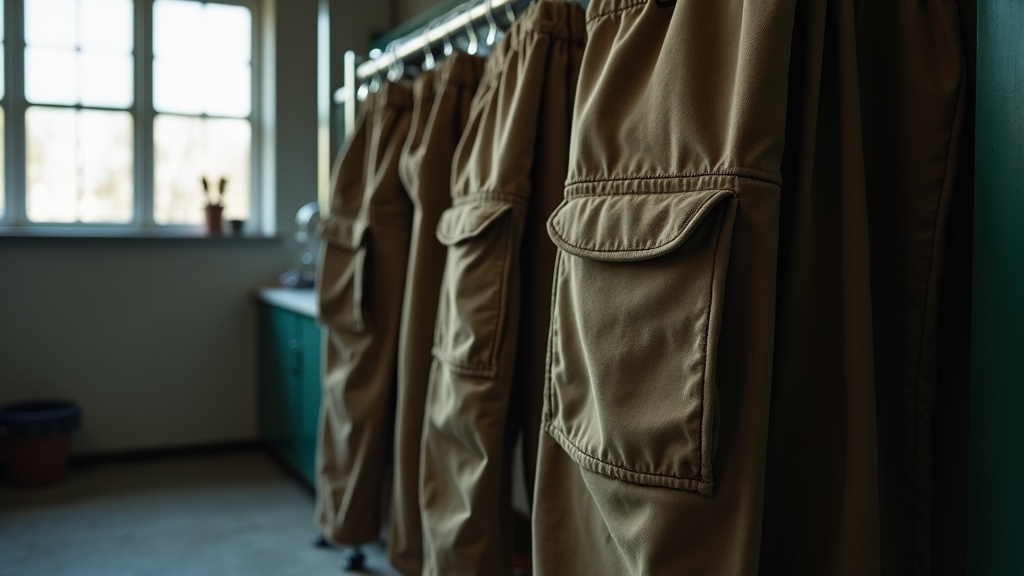
- Store flat or folded, not stuffed in a bag with tools. Permanent crease lines at the cargo pocket folds weaken the fabric over time.
Which Pair Belongs on Your Next Shift
If you're buying one pair and need it to work hard every day: Carhartt Rugged Flex Rigby. The stretch canvas and gusseted crotch handle whatever the site throws at it.
If budget is tight: Dickies FLEX Ripstop. Honest construction, light enough for summer, and easy to find in any size.
If you're on your knees all day on tile or concrete: go straight for the Duluth Ballroom Flex. The extra spend pays off in your knees and your back before the month is out.
Buy two pairs, rotate them, wash properly. That's the cheapest long-term strategy on the market. No special trick, no premium membership required.
