


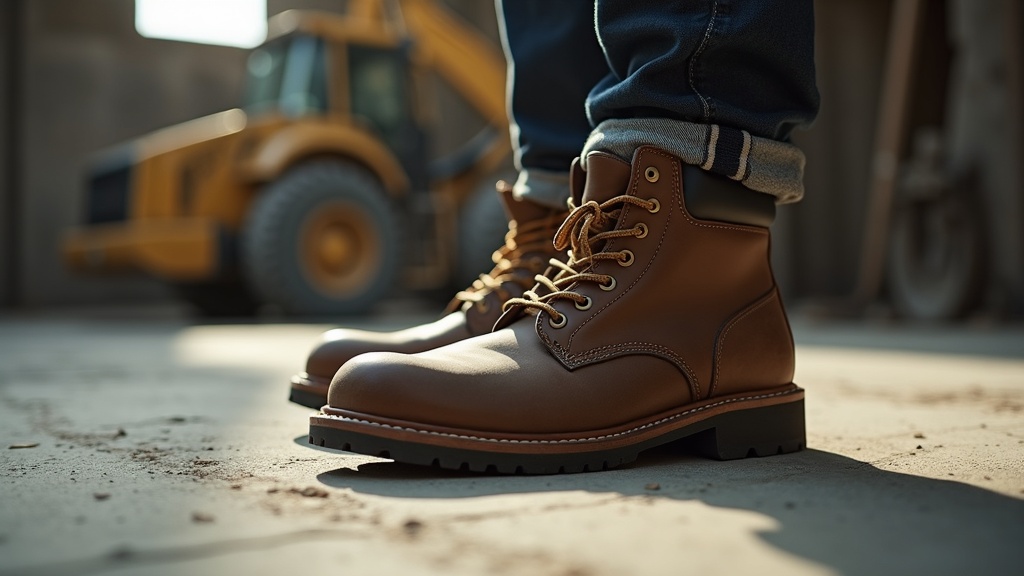
Your boots get all the credit, but your socks are the ones doing the quiet work. A bad pair of socks inside a steel toe boot turns a decent boot into a punishment device by noon.
Eight, ten, twelve hours on your feet. Concrete floors, uneven terrain, heat that builds up in a closed cap boot with nowhere to go. The sock you pull on at 5 a.m. matters more than most guys realize until they're limping to the truck.
Key points at a glance
- Cushioning under the heel and ball of the foot cuts fatigue on hard floors faster than any insole swap.
- Merino wool handles sweat and temperature better than cotton, full stop.
- Crew length is the minimum for steel toe boots; anything shorter causes friction at the boot's collar.
- Regular dress or athletic socks break down fast inside a safety boot and leave your foot unprotected.
- Women buying work socks for steel toe boots need a narrower heel cup and a sized-down fit, not just a smaller men's sock.
- A quality heavy duty work sock should survive at least 6 months of daily wear before showing real degradation.
What a good work sock does for you
Why Your Socks Matter More Than You Think Inside a Steel Toe Boot
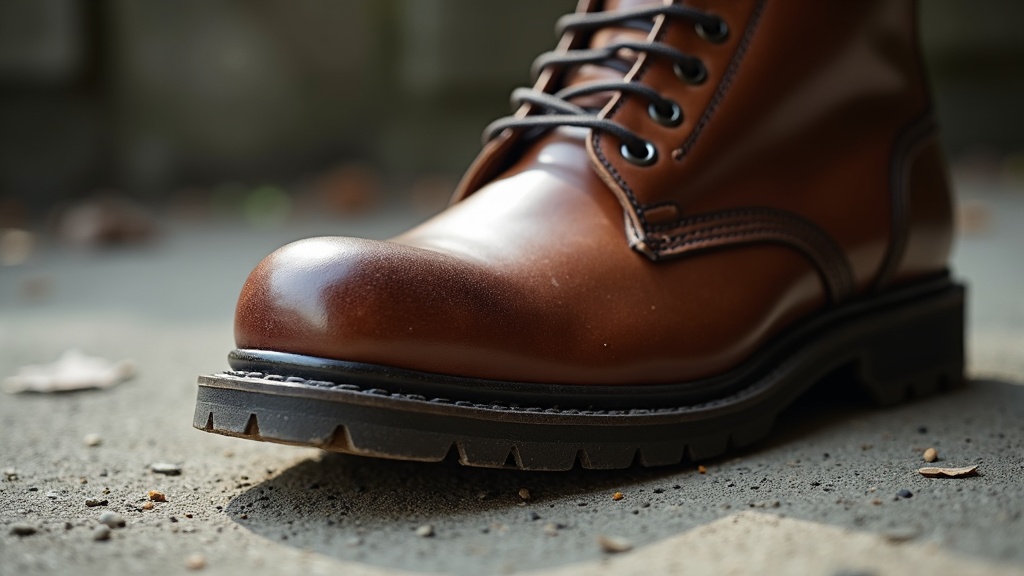
A steel toe cap does not flex with your foot. That rigid front end creates a pressure zone every time you bend forward. Without proper padding between your toes and that cap, you get bruising, black toenails, and nerve pain that compounds over weeks.
Steel also conducts cold and heat. In winter, the cap becomes a little refrigerator pressed against your toes. In summer, it holds heat like an oven. Your sock is the only buffer you have.
What Makes a Work Sock Actually Good for Steel Toe Boots
Three things matter most: cushioning where the pressure hits, a fiber that manages moisture, and construction that doesn't fall apart in two months.
- Reinforced heel and toe zones absorb the constant impact and friction against the boot's hard interior.
- Arch compression keeps the sock from bunching and sliding, which creates blisters faster than anything.
- A crew or mid-calf length protects the shin from the boot's collar and prevents slippage down into the boot during the day.
- No bulky seams at the toe, which press painfully against the steel cap.
Check out our article on: Merino Wool Socks for Work: What Actually Holds Up
Did you know?
The American Podiatric Medical Association reports that the average person takes between 8,000 and 10,000 steps per day. A construction worker or warehouse employee often exceeds 15,000. That load magnifies every flaw in your sock setup into a real physical problem by week's end.
What Type of Socks Are Best for Steel Toe Boots: Material Breakdown
The fiber your sock is made from changes everything about how your foot feels at hour ten.
| Material | Best For | Watch Out For |
|---|---|---|
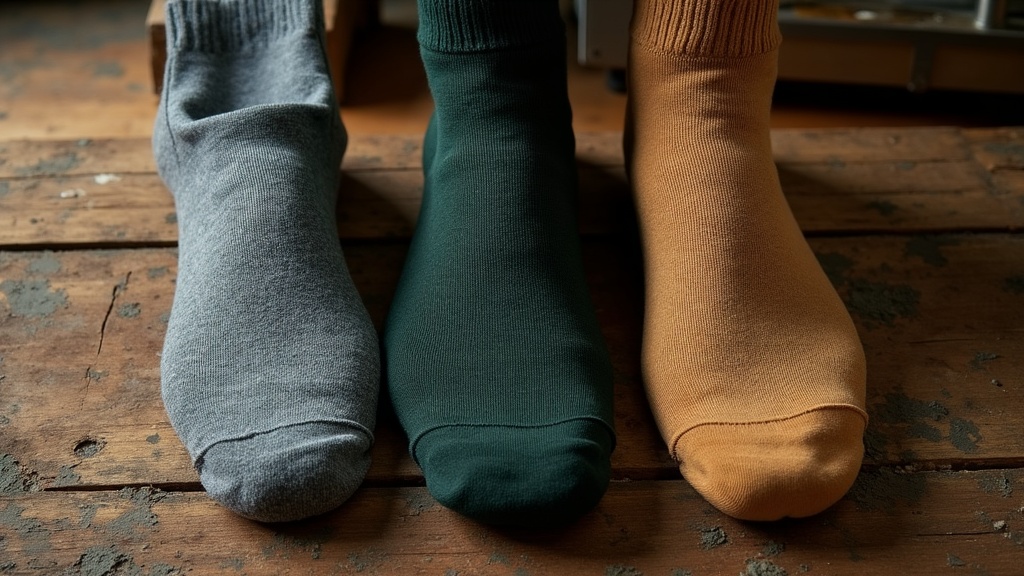
| Merino Wool | All-season moisture control, odor resistance, temperature regulation | Higher price point; needs proper washing to avoid shrinking |
| Synthetic Blend (Nylon/Polyester) | Durability, moisture wicking in hot conditions, budget-friendly | Holds odor over time; less comfortable in cold weather |
| Wool/Synthetic Mix | Best balance of comfort, durability, and moisture management | Quality varies widely by brand; check blend ratios |
| Cotton | Comfortable dry; good for very light duty use | Absorbs sweat and stays wet; causes blisters and fungal issues fast |
| Bamboo Blend | Soft feel, decent moisture wicking, odor resistant | Less durable under heavy daily use than wool or nylon blends |
Bottom line: avoid pure cotton for any serious work situation. It soaks up sweat, stays wet against your skin, and breaks down fast against the friction of a stiff boot interior.
The Best Work Socks for Steel Toe Boots Right Now
A few names consistently show up when you talk to tradesmen who've actually worn through a few pairs: Darn Tough, Carhartt, Dickies, and Thorlo all make work boot socks that hold up under real conditions.
- Darn Tough Hiker Micro Crew: Merino wool, made in Vermont, lifetime guarantee. These are the ones guys swear by on Reddit's r/workwear and r/Construction threads. Not cheap, but they outlast three pairs of drugstore socks.
- Carhartt Force Crew Work Socks: Synthetic blend, good FastDry wicking, reinforced zones. A solid mid-range pick that holds up in sweaty summer conditions.
- Dickies Dri-Tech Crew: Budget-friendly, decent moisture management, available in value packs. Good for guys who want a reliable everyday option without paying premium.
- Thorlo Work Boot Socks: Known for extreme cushioning in the heel and ball. Worth it if foot fatigue is your main complaint at the end of the day.
How to Keep Your Feet from Hurting in Steel Toe Boots All Day
The sock is one piece of it. The combination of sock thickness and boot fit matters more than either one alone. A too-thick sock in a snug boot cuts off circulation. A thin sock in a roomy boot lets your foot slide and bruise against the steel cap.
- Try boots on with the actual socks you plan to wear at the end of the day, when your feet are slightly swollen from use.
- Look for padded socks for safety boots that have specific zone cushioning, not just uniform thickness throughout.
- If your toes are still hitting the cap after sizing up, the boot's last shape might not match your foot shape.
Can You Wear Regular Socks with Steel Toe Boots?
Technically yes. Practically, no. A regular dress sock or standard athletic sock will shred against the rough interior of a work boot within weeks, long before it would wear out in a sneaker.
More importantly, it gives you none of the protection you need. No cushioning at the pressure points, no real moisture management, and the thin fabric migrates and bunches during the day. You'll feel it.
Did you know?
Plantar fasciitis, one of the most common causes of heel pain in workers who stand all day, is significantly aggravated by inadequate heel cushioning. Studies from the Journal of Foot and Ankle Research link repetitive hard-surface impact directly to fascia strain, something a well-padded work sock helps reduce.
Best Work Socks for Sweaty Feet on the Job
If your boots smell like a locker room by lunchtime, your socks are not doing their job. The key is moisture transport, not just absorption. You want fibers that pull sweat away from the skin and move it outward so it can evaporate.
- Merino wool absorbs up to 30% of its weight in moisture before it feels wet against your skin. It also resists odor naturally because of its protein structure.
- CoolMax and similar synthetic constructions move moisture fast but don't resist odor as well over time.
- Avoid any sock with a high cotton percentage if sweat is your issue. Cotton holds moisture against the skin and never lets go.
Check out our article on: Do Plantar Fasciitis Socks Work? A Straight Answer for Trades Workers
What to Look for If You're a Woman Buying Work Socks for Steel Toe Boots
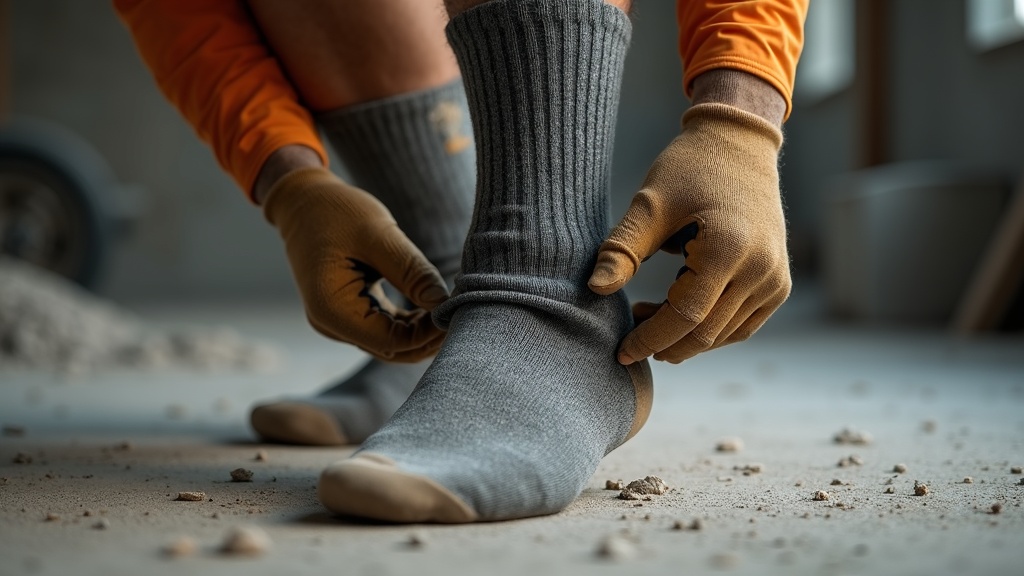
Most work socks are cut for men's feet. A women's foot has a narrower heel, a shorter arch, and different volume distribution. Buying a men's small or medium and hoping for the best usually means a sock that bunches at the heel and rubs at the toe.
- Look for socks specifically labeled as women's work socks in your actual shoe size range, not just "women's one size."
- Brands like Darn Tough and Farm to Feet offer women's-specific sizing with the same heavy duty construction as their men's lines.
- Prioritize a snug heel cup. Women's heels tend to be narrower, and a loose heel pocket slides continuously inside the boot.
- Same material rules apply: merino or a wool-synthetic blend beats cotton for all-day wear.
How Long Should a Good Pair of Work Socks Last
If you're rotating through three or four pairs and washing them properly, a quality heavy duty work sock should hold its structure and cushion for six months to a year of daily use. Some merino wool pairs, washed cold and air-dried, go well past that.
- Wash on cold, not hot. Heat breaks down elastic and shrinks wool fibers.
- Skip the dryer when you can. Air-drying extends sock life significantly.
- Replace when you see heel thinning or when the cushion zones flatten out and don't spring back.
Make the Right Call Before Your Next Shift
Pick a merino or merino-blend crew sock with reinforced heel and toe, sized to your actual foot. Buy enough pairs to rotate daily without repeating. Wash cold, air-dry when possible.
That's the whole system. You don't need to overthink it. You just need socks that were actually built for the work you're doing, not socks that happened to be on sale at the gas station Sunday night.
- Darn Tough if you want the best and don't mind the price.
- Carhartt Force or Dickies Dri-Tech if you want solid performance at a more practical cost.
- Always crew length or taller for steel toe boots. No exceptions.
- Replace when cushion flattens, not when you see a hole.
