


Construction is one of the most physically demanding industries in the world. According to the U.S. Bureau of Labor Statistics, construction workers spend an average of 6 to 8 hours per day on their feet, kneeling, climbing, and carrying loads that push standard clothing to its limits. Most pants fail before the shift ends — the seams split, the pockets tear, or the fabric stiffens in the cold.
Choosing the best work pants for construction workers isn't about brand names or trends. It's about matching the right construction to the real conditions of your job site. In this guide, we break down the top 5 options — each selected for a specific work environment — so you can make the right call without wasting time or money.
What Makes a Work Pant Good for Construction?
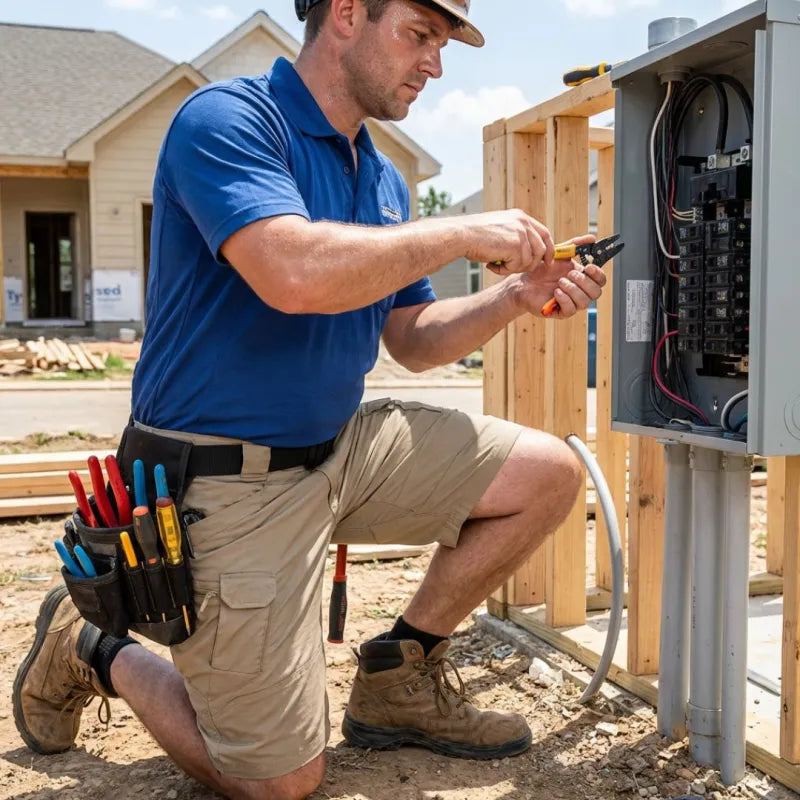
Not all work pants are built equal — and on a construction site, the difference between a good pair and a bad one shows up fast. Here are the four criteria that actually matter in the field:
1. Knee reinforcement. Concrete, gravel, rough subfloors — your knees take a beating daily. A pant without reinforced knee zones wears through in weeks, not months.
2. Cargo pocket placement. Pockets positioned too low or too far back force you to bend or stop moving to access your tools. The best designs keep essentials reachable mid-motion.
3. Fabric weight vs. breathability. Heavy-duty canvas handles abrasion but traps heat in summer. Lightweight ripstop breathes well but may lack durability for rough surfaces. The right choice depends on your season and climate.
4. Waistband flexibility. Squatting, climbing ladders, stepping over obstacles — a rigid waistband restricts movement and causes fatigue over a long shift. An articulated or stretch waistband makes a real difference by end of day.
These aren't marketing features. They're the details that separate a pant that lasts one season from one that lasts three.
Check out this guide too: Cheap Workwear: Expert Guide to Affordable and Reliable Work Clothing
The 5 Best Work Pants for Construction Workers
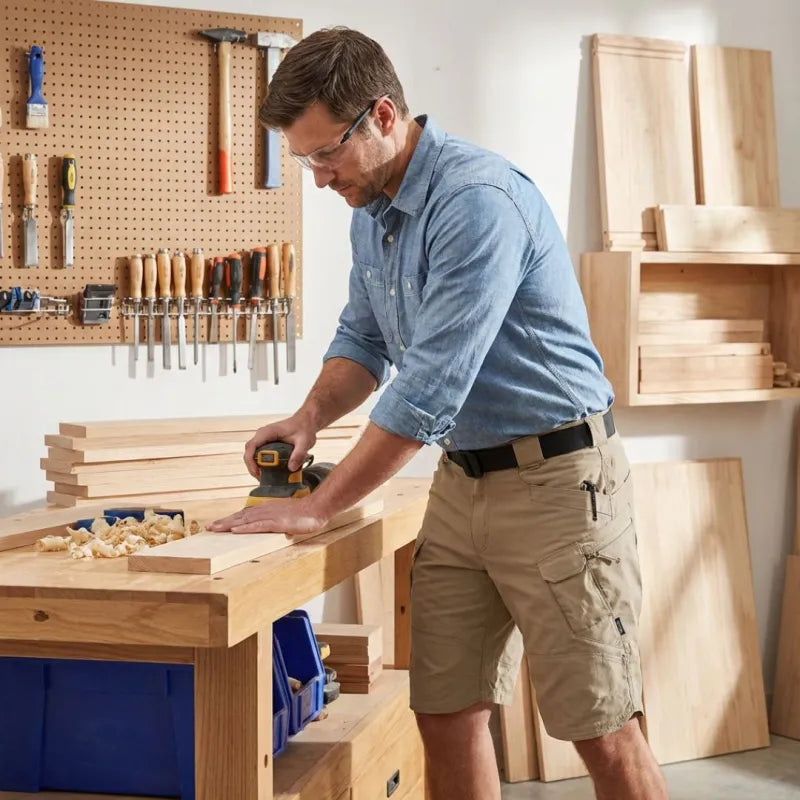
Discover the best work pants for construction workers, selected by experts:
1. HEAVY Pro | Durable Cargo Work Pants: Best for Year-Round Heavy-Duty Construction
If you work in framing, masonry, or general contracting, this is the pant built for you. The HEAVY Pro is constructed from reinforced heavy-duty fabric designed to absorb daily friction against concrete, lumber, and metal. Deep side cargo pockets fit a full-size tape measure, gloves, or a utility knife without pulling the fabric out of shape. Reinforced stitching at every stress point — knees, seat, pocket openings — means this pant holds up through months of hard use. For workers who can't afford downtime caused by failing gear, the HEAVY Pro is the most reliable option in the lineup.
2. THERMO Pro | Insulated Work Pants: Best for Cold-Weather Job Sites
Winter construction doesn't stop — and neither should you. The THERMO Pro delivers thermal insulation without adding bulk that restricts movement. Whether you're pouring foundations in freezing temperatures or working exposed exterior sites, this pant keeps core warmth consistent across a full shift. The insulation layer is thin enough to allow full range of motion when climbing scaffolding or kneeling on frozen ground. It's the best work pant for construction workers who operate in northern climates or on exposed job sites from October through March.
3. AIR Pro | Lightweight Summer Work Pants: Best for Hot Climates & Summer Sites
Heat is a real safety risk on construction sites. The AIR Pro is built with breathable lightweight fabric that actively reduces heat buildup during physical exertion. Roofing crews, exterior painters, and site laborers working in direct sun benefit most from this design. Despite its lighter construction, the AIR Pro maintains reinforced pocket zones and durable stitching — you don't sacrifice protection for comfort. When summer temperatures push past 90°F, this pant is the one that keeps you functional and focused.
4. FLEX Pro | Lightweight Cargo Work Shorts: Best for High-Mobility Warm-Weather Tasks
Electricians, plumbers, and HVAC technicians working on active construction sites in warm conditions need maximum freedom of movement. The FLEX Pro Cargo Shorts deliver exactly that — a lightweight cargo design with deep, secure pockets and an unrestricted cut that moves with you rather than against you. The fabric handles repeated kneeling, crouching, and lateral movement without bunching or chafing. For trade professionals who spend more time moving than standing, this is the most practical warm-weather option on the list.
5. FLEX Pro | Lightweight Work Short: Best for Indoor Finishing Work
The final phase of construction — drywall finishing, trim installation, interior painting — demands comfort over heavy-duty protection. The FLEX Pro Work Short is designed for exactly this environment: lightweight, flexible, and comfortable across long indoor shifts. Less exposure to abrasive surfaces means fabric weight is less critical, and the relaxed fit reduces fatigue during repetitive tasks. For finishing crews and interior specialists, this short delivers the right balance of practicality and all-day wearability.

How to Choose Based on Your Job?
The best work pants for construction workers depend entirely on what your day actually looks like. Use this quick reference to match your situation to the right model:
|
Your work situation |
Best pick |
|
Year-round heavy outdoor work |
HEAVY Pro |
|
Cold-weather or winter job sites |
THERMO Pro |
|
Hot summer outdoor sites |
AIR Pro |
|
High-mobility tasks in warm weather |
FLEX Pro Cargo Shorts |
|
Indoor finishing & interior work |
FLEX Pro Work Short |
One common mistake workers make is buying a single pair for all conditions. A framer working a winter exterior site and a trim carpenter finishing interiors in July have completely different needs — and one pant can't cover both without compromising somewhere.
If your job shifts between seasons or roles, consider keeping two pairs: one heavy-duty option for rough conditions, and one lightweight model for warmer or lower-risk environments. The cost of replacing worn-out pants every few months outweighs the upfront investment in the right pair from the start.
Check out this guide too: Types of Work Boots: Complete Expert Guide to Choosing the Right Model in 2026
Your Job Site Deserves Better Than Average Pants
Construction work punishes poor gear fast. The right pair of work pants isn't a luxury — it's a tool, the same as your boots or your belt. Whether you're breaking ground in January or finishing interiors in August, there's a Mason model built for exactly what your day demands.
The best work pants for construction workers aren't the most expensive ones or the most advertised — they're the ones still holding up six months in, when cheaper options have already been thrown out. Explore the full Mason work pants collection and find the pair that matches your job site, your season, and your trade.
Frequently Asked Questions
Are cargo pants good for construction work?
Yes — but only if the pocket placement and fabric construction match jobsite demands. A cargo pant with shallow, poorly positioned pockets creates more frustration than convenience on an active site. Look for deep side pockets placed at mid-thigh level, reinforced tool loops, and secure closures that prevent tools from falling during movement.
What fabric is best for construction work pants?
It depends on your conditions. Heavy-duty canvas or ripstop fabric handles abrasion and rough surfaces best for year-round outdoor work. For summer sites, lightweight technical fabrics that combine breathability with reinforced stress zones offer the best balance. Avoid standard cotton blends — they absorb moisture, lose shape quickly, and wear through fast under construction conditions.
How often should construction workers replace their work pants?
A quality pair of construction work pants should last 12 to 18 months under daily heavy use — provided the fabric, stitching, and reinforcement zones are built to professional standards. If your current pants are failing before the 6-month mark, the construction simply isn't rated for the demands of your job site.


