


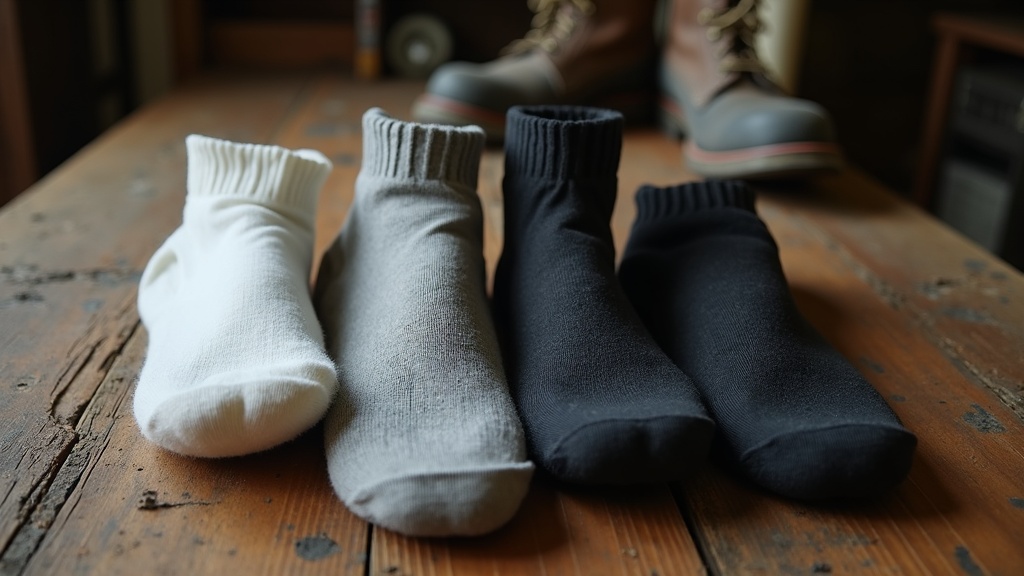
You're on your feet eight, ten, twelve hours a day. Your boots are solid. Your gloves are dialed in. But your socks? Most guys grab whatever's in the three-pack at the hardware store and call it a day.
That's a mistake. The wrong sock material turns a long shift into a blister factory. The right one keeps your feet dry, padded, and comfortable from the first hour to the last. Here's what's really going on with cotton, merino, and synthetic on the job.
Key points at a glance
- Cotton holds moisture and stays wet against your skin, which leads to blisters and odor on long shifts.
- Merino wool manages sweat, resists odor, and regulates temperature, but costs more and wears out faster under heavy use.
- Synthetic blends dry fast, last long, and stay cheap, but can smell bad by noon if they're low quality.
- The best pick depends on your trade, your climate, and how hard you push your gear.
- Brands like Mason and Darn Tough offer unconditional guarantees that actually hold up.
- Rotating two to three pairs and washing on cold extends sock life significantly.
What the right work sock does for you
Why Your Sock Choice Matters More Than You Think
Foot fatigue and blisters are among the top reasons tradespeople miss work or cut shifts short. Your feet absorb roughly two to three times your body weight with every step on hard surfaces.
The sock sitting between your skin and that steel-toe boot is the only buffer you've got. Get it wrong and you're looking at hot spots by lunch, blisters by 3 p.m., and plantar issues that stack up over years.
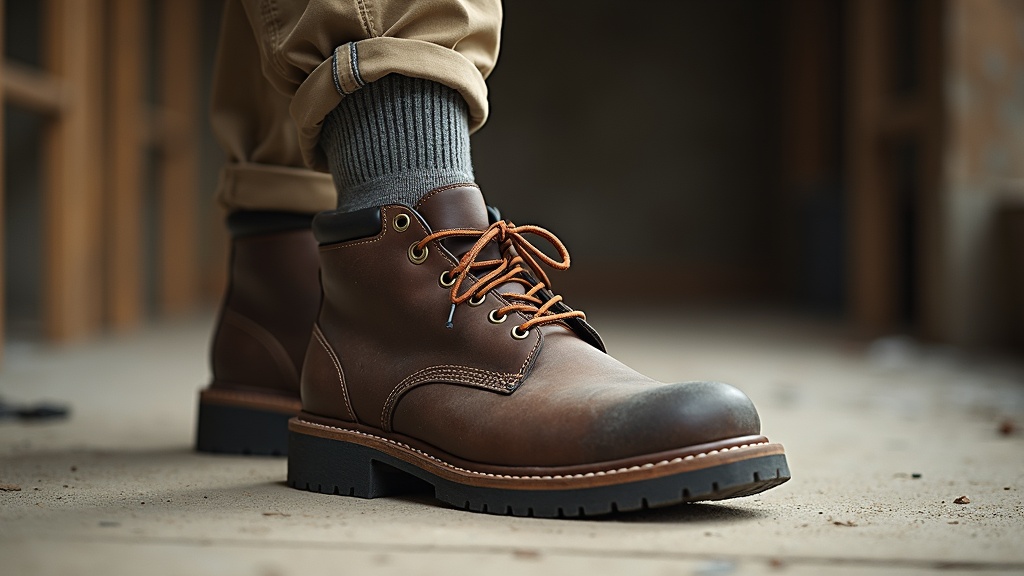
Cotton Socks on the Job: What Actually Happens
Cotton absorbs moisture. That sounds fine until you realize it doesn't release it. Once your feet start sweating, cotton holds that wetness against your skin for the rest of the shift.
Wet skin plus friction equals blisters. It's that simple. Cotton also loses its shape and cushion faster than any other material under daily boot use.
When cotton makes sense
- Short, low-sweat jobs under three hours
- Office-adjacent trade work where you're mostly sitting
- Mild weather, low activity days
On a full-day construction site or roofing job in summer, cotton is the worst call you can make. It's cheap upfront and costs you in blister tape, foot pain, and replacement socks every six weeks.
Did you know?
Cotton can absorb up to 27 times its weight in water and dries extremely slowly. Studies on athletic performance have repeatedly shown cotton socks increase blister rates compared to synthetic or wool alternatives in high-sweat conditions.
Merino Wool Socks for Trades: The Case For and Against
Merino wool is the best all-around performer for tradespeople, full stop. The fiber wicks moisture away from your skin, resists odor naturally, and regulates temperature in both hot and cold conditions.
Guys working outdoors, doing roofing, framing, landscaping, or utility work, notice the difference fast. Your feet stay drier, cooler in summer, warmer in winter, and you can wear the same pair two days running without them smelling like a locker room.
The downsides worth knowing
- Price: A quality merino sock runs $20 to $30 a pair. Darn Tough and Smartwool are the benchmarks.
- Durability: Pure merino wears through at the heel and toe faster than synthetic blends. Look for merino-nylon blends for better longevity.
- Care: You can machine wash them, but hot water and a hot dryer will shrink and felt them. Cold wash, low dry.
Synthetic Socks at Work: Fast, Cheap, and Sometimes Right
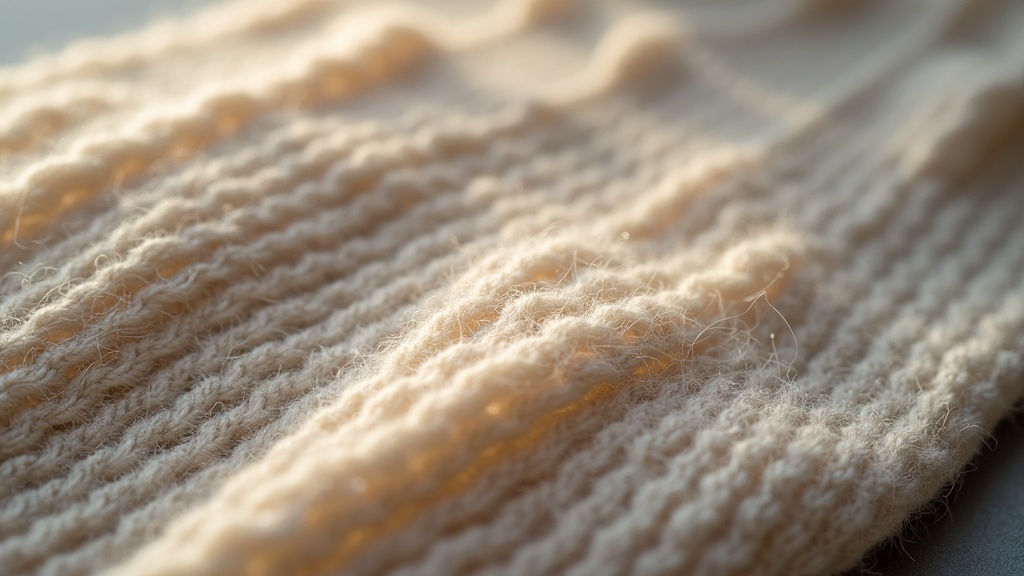
Synthetic socks, polyester, nylon, CoolMax blends, dry faster than anything else. If you're in a wet environment, wading through mud, working near water, or doing high-sweat summer roofing, a quality synthetic dries so fast it barely registers as wet.
The problem is odor. Synthetic fibers trap bacteria in the weave and once they start to smell, they don't wash out easily. Budget synthetics also flatten quickly under boot pressure, leaving zero cushion by month two.
When synthetic wins
- Summer construction where heat and sweat are relentless
- Any wet trade: plumbing, irrigation, concrete work
- Situations where you need to change socks mid-day and need fast-drying spares
Head-to-Head Breakdown: Cotton vs Merino vs Synthetic for Trades
| Feature | Cotton | Merino Wool | Synthetic |
|---|---|---|---|
| Moisture wicking | Poor | Excellent | Very good |
| Odor resistance | Fair | Excellent | Poor to fair |
| Durability (boot use) | Low | Medium (blend = high) | High |
| Temperature regulation | Poor | Excellent | Fair |
| Cost per pair | $2 to $6 | $18 to $30 | $8 to $18 |
| Blister risk (full day) | High | Low | Low to medium |
Best Sock Pick by Trade and Season
One size does not fit all here. A pipe fitter in July has different needs than a carpenter framing in November.
Electricians and plumbers
You're on your knees, climbing ladders, kneeling on tile. Merino-nylon blend is the call year-round. Odor control matters when you're in tight crawl spaces. Darn Tough's crew-height work socks are built exactly for this.
Construction and framing
Summer: go synthetic or a lightweight merino blend. Winter: midweight merino, full stop. For best work socks for standing all day on concrete, look for socks with reinforced heel and arch compression, not just padding.
Roofers and outdoor laborers
Summer heat is brutal on socks. A polyester-merino blend like Darn Tough's Hiker or the Farm-to-Feet brand handles the sweat-dry cycle better than pure merino in 90-degree sun.
Did you know?
Darn Tough, based in Vermont, offers a lifetime unconditional guarantee on every sock. If they wear out, they replace them, no questions asked. For tradespeople putting 50-plus hours a week on their feet, that guarantee has real dollar value.
How to Make Your Work Socks Last Longer
Even the best pair won't last if you cook them in a hot dryer every night. A few habits make a real difference.
- Wash cold, dry low or air dry. Heat breaks down elastic and wool fibers fast.
- Rotate at least three pairs. Same pair every day compresses the fibers permanently. Rotation lets them recover.
- Turn them inside out before washing. Skin oils and bacteria build up on the inside. Washing them inside out actually cleans where it counts.
- Skip fabric softener. It coats the fibers and kills moisture-wicking performance on synthetic and merino socks.
- Check your boots too. A rough seam or worn-out insole tears through socks from the inside, doesn't matter how good the sock is.
The math on premium socks is easy. A $25 pair of Darn Tough lasts two to three years with proper care. A $5 cotton three-pack gets replaced every two months. The budget option costs more over time, every time.
Explore more
Best Work Socks for Steel Toe Boots: Effect on Your Feet And How to Fix It
Should I Wear Compression Socks While Working Out?
Best Breathable Socks for Work Boots (No More Burning Feet)
Men's Compression Socks for Work Boots: What Actually Works
