


Construction professionals lose a significant amount of productivity each year due to discomfort, poor mobility, and inadequate workwear. A study from the Bureau of Labor Statistics highlights that musculoskeletal strain and fatigue remain among the most common causes of reduced efficiency in physically demanding jobs. This makes choosing the right gear not just a matter of comfort, but of performance and safety.
Understanding how to choose work pants for construction is essential for anyone working on demanding job sites. The wrong choice can lead to restricted movement, faster wear and tear, and even increased risk of injury. In this guide, we break down the exact criteria professionals use in real working environments: fabric strength, reinforcement zones, mobility design, storage functionality, and climate adaptation.
The 5 Key Factors to Choose the Right Work Pants
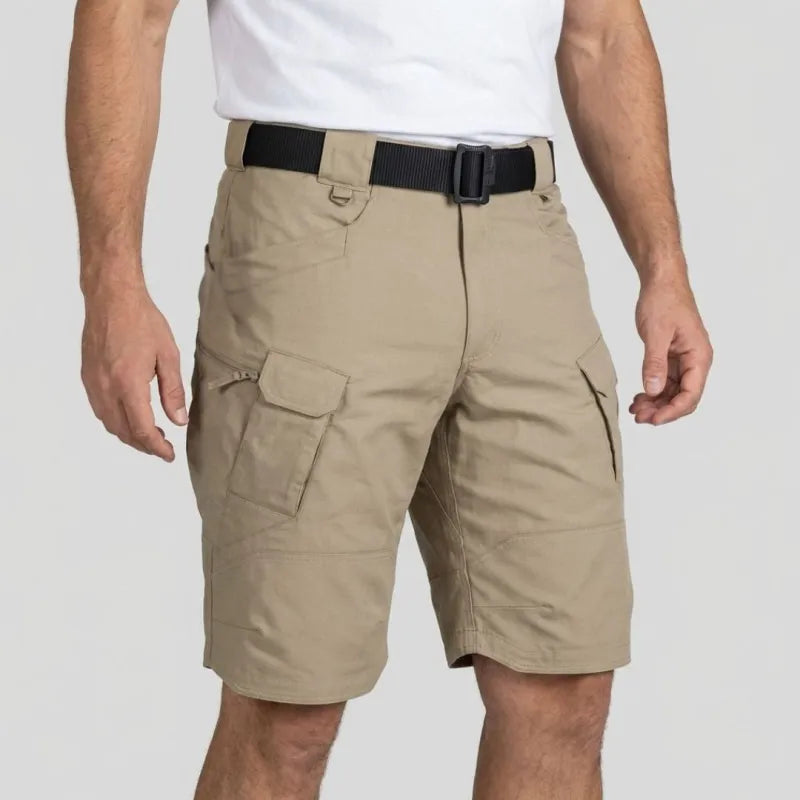
Choosing work pants for construction is not about style—it’s about performance under pressure. On a job site, pants are exposed to abrasion, heavy tools, bending, kneeling, weather changes, and long working hours. That’s why professionals rely on a clear set of technical criteria rather than personal preference. Understanding how to choose work pants for construction starts with mastering five essential factors that directly impact durability, comfort, and safety.
1. Fabric & Durability
The fabric determines how long your pants will survive harsh conditions. Heavy-duty materials like canvas, ripstop, or reinforced cotton blends are preferred because they resist tearing and abrasion. The weave structure is just as important as thickness.
2. Reinforced Stress Zones
High-wear areas such as knees, crotch, and pockets should include reinforcement stitching or double-layer fabric. These are typically the first failure points in low-quality workwear.
3. Mobility & Fit
Construction work involves constant movement. Pants with stretch panels, gusseted crotch, or articulated knees significantly reduce fatigue and improve range of motion.
4. Storage & Functionality
Cargo pockets and tool compartments are essential for efficiency. However, poor pocket placement can also restrict movement or create imbalance.
5. Weather Adaptability
Working conditions vary. Breathable fabrics are essential for hot climates, while insulated or lined pants are necessary for cold environments.
These five factors form the foundation of a professional decision-making process. Instead of guessing, workers who understand these principles can immediately filter out unsuitable options and focus only on high-performance workwear.
Check out this guide too: Best Work Boots for Factory Work: Safety, Comfort & Durability
Choose Work Pants Based on Your Job Type
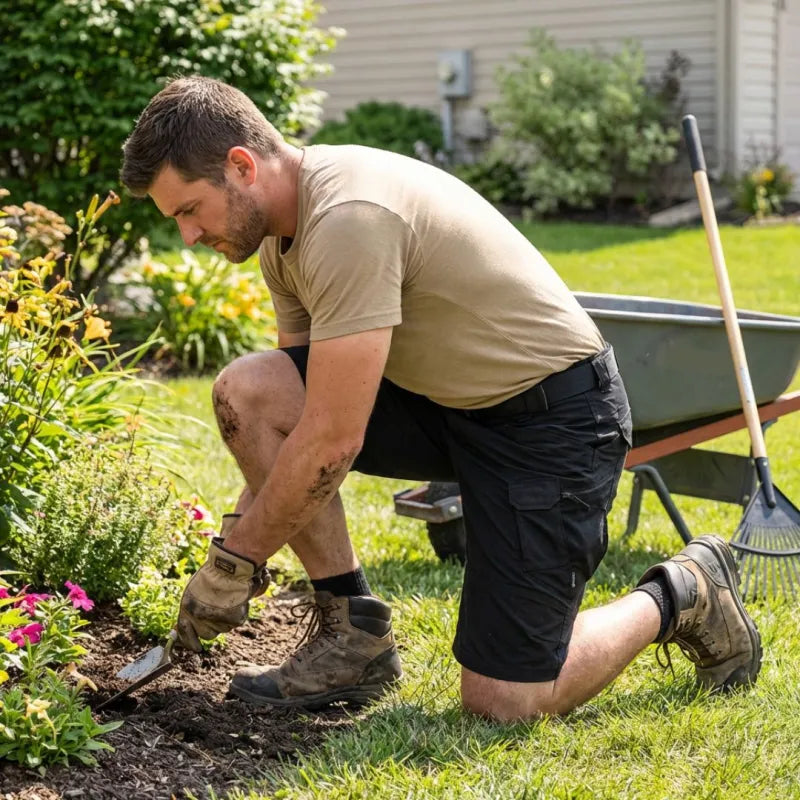
Not all construction jobs require the same level of protection, flexibility, or storage capacity. A key part of understanding how to choose work pants for construction is matching your pants to the specific demands of your trade rather than selecting a generic “one-size-fits-all” option.Different roles expose workers to different stresses, and the right work pants should support those conditions—not limit them.
- Heavy Construction & Demolition Work. Workers in this category need maximum durability. Thick, abrasion-resistant fabrics and reinforced knees are essential because constant contact with rough surfaces is unavoidable.
- Electrical, Plumbing & Precision Trades. These jobs require more mobility and flexibility. Lightweight fabrics with stretch panels are preferred to allow easy movement in tight or awkward spaces.
- Outdoor & Road Work. Exposure to weather is a major factor here. Breathable materials for heat, or insulated layers for cold environments, help maintain performance throughout the day.
- Warehouse & Light Construction Tasks. For less extreme conditions, comfort and ventilation become more important than heavy reinforcement. Lightweight designs improve productivity during long shifts.
By identifying your work category first, you eliminate guesswork and significantly reduce the risk of choosing unsuitable gear. This approach ensures your work pants support your daily movements instead of becoming a limitation on the job.
Professionals who consistently apply this method make faster, more accurate decisions—and experience fewer issues with wear, discomfort, or premature replacement.
Choose Work Pants for Construction: Common Mistakes to Avoid
Even experienced workers sometimes make avoidable mistakes when selecting gear. Understanding how to choose work pants for construction also means knowing what not to do, because poor decisions often lead to discomfort, faster wear, or reduced safety on site.
1. Prioritizing Price Over Performance
One of the most common mistakes is choosing the cheapest option available. While budget matters, low-cost pants often lack reinforcement, proper stitching, and durable fabric. In construction environments, this usually results in faster replacement costs and lower overall value.
2. Ignoring Mobility Requirements
Many workers focus only on durability and forget about movement. Pants without stretch zones or ergonomic design can restrict bending, kneeling, and climbing—leading to fatigue and reduced efficiency over time.
3. Choosing the Wrong Fit
Fit is often underestimated. Pants that are too tight reduce mobility, while overly loose pants can create safety hazards or get caught in tools and equipment. The right balance is essential for both comfort and protection.
Avoiding these mistakes helps workers make more informed decisions and improves long-term performance on the job. In real construction environments, small design differences can have a significant impact on productivity and physical strain. Professionals who consistently avoid these errors tend to extend the lifespan of their gear and maintain better comfort throughout demanding workdays.
Check out this guide too: Cheap Workwear: Expert Guide to Affordable and Reliable Work Clothing
Best Work Pants for Construction: Top Picks
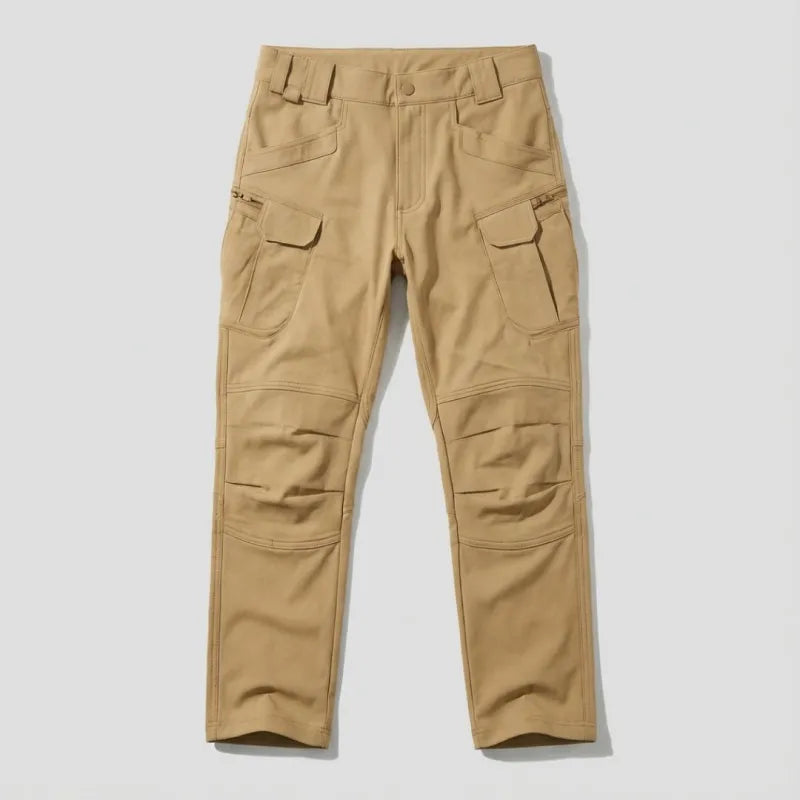
Once you understand how to choose work pants for construction, the next step is selecting models that actually meet professional standards on real job sites. Below are performance-oriented options designed for different working conditions, focusing on durability, comfort, and functionality.
THERMO Pro | Insulated Work Pants
Designed for cold environments, these pants provide thermal protection without sacrificing mobility. The insulated lining helps maintain body heat during long outdoor shifts, while reinforced stitching improves durability in harsh conditions. Ideal for winter construction work or early morning site operations.
HEAVY Pro | Durable Cargo Work Pants
Built for maximum resistance, this model focuses on heavy-duty performance. Thick fabric construction, reinforced knee areas, and multiple cargo pockets make it suitable for demolition, masonry, and general construction work where abrasion resistance is critical.
AIR Pro | Lightweight Summer Work Pants
Perfect for hot climates, these pants prioritize breathability and comfort. Lightweight fabric reduces heat buildup while maintaining structural strength. A great choice for workers who spend long hours under direct sun exposure.
FLEX Pro | Lightweight Work Shorts
For peak mobility in extreme heat conditions, these shorts offer unrestricted movement and ventilation. Designed for fast-paced tasks where flexibility and comfort are more important than full-leg protection.
Each of these options addresses a specific working condition, ensuring that professionals can match their gear to their environment rather than compromising with a generic solution. Choosing the right model improves both comfort and long-term durability on the job.

Quick Checklist Before Buying
Before making a final decision, it’s important to quickly verify whether a pair of pants truly meets professional construction standards. Even if you already understand how to choose work pants for construction, this final checklist helps you avoid overlooking key details that affect long-term performance.
- Fabric Quality: Is the material abrasion-resistant (canvas, ripstop, or reinforced cotton blend)?
- Reinforced Areas: Are the knees, crotch, and pockets reinforced with double stitching or extra layers?
- Mobility Design: Does the pants include stretch zones, articulated knees, or a gusseted crotch for better movement?
- Work Environment Fit: Are they suitable for your climate (hot, cold, or mixed conditions)?
- Storage Needs: Do you have enough functional pockets for tools without restricting movement?
If all five points are checked, the pants are likely suitable for demanding construction work. This simple validation step helps professionals avoid costly mistakes and ensures better comfort, safety, and durability on site.
Check out this guide too: How Do Boot Sizes Work? Complete Guide to Getting the Right Fit
Choosing the Right Work Pants for Real Construction Performance
Mastering how to choose work pants for construction ultimately comes down to understanding your working environment, your level of physical demand, and the technical features that support your daily tasks. There is no universal “best” option—only the right match between the worker and the job conditions.
Durability ensures your pants withstand abrasion and heavy use. Mobility determines how efficiently you can move throughout the day. Reinforcement protects the areas most exposed to stress. And climate adaptability ensures comfort across different working environments.
Professionals who consistently apply these principles avoid unnecessary replacements, reduce physical strain, and improve overall productivity on site. Instead of relying on guesswork or price alone, they use a structured evaluation method that prioritizes performance and long-term value.
The models presented earlier are designed to match real construction demands, whether you work in extreme cold, high heat, or heavy-duty environments. By aligning your choice with your actual job requirements, you significantly improve both comfort and efficiency on the job.
In the end, the right decision is not about buying more—it’s about choosing smarter, based on how you truly work every day.
