


Stains on workwear are inevitable, especially in demanding environments like construction, mechanics, or industrial jobs. Knowing exactly how to remove stains from work pants quickly can make the difference between preserving your gear or replacing it too often. In fact, textile maintenance studies show that pre-treating a stain within the first 5 minutes increases removal success by up to 70%, especially for oil- and grease-based marks.
Remove stains from work pants properly is not just about cleaning—it’s about protecting fabric durability, color integrity, and long-term performance. Many workers unknowingly damage their pants by using the wrong temperature, detergent, or cleaning method. In this guide, we’ll break down expert-approved techniques, industry-tested methods, and practical tips used in professional workwear care.
The fastest way to remove stains from work pants

When it comes to how to remove stains from work pants, speed is the most important factor. The longer a stain sits, the deeper it penetrates the fibers, making it significantly harder to remove. The most effective universal method used by workwear professionals follows a simple but precise process:
1. Remove excess immediately: Scrape off solids (mud, paint, grease) using a blunt tool or cloth without spreading the stain.
2. Blot, don’t rub: Press gently with a clean cloth to absorb liquid stains. Rubbing pushes the stain deeper into the fabric.
3. Apply a pre-treatment agent: Use dish soap for grease, diluted vinegar for general dirt, or baking soda paste for tougher marks.
4. Let it sit (5–15 minutes): This allows the cleaning agents to break down the stain structure at a molecular level.
5. Wash at the correct temperature: Cold or lukewarm water is safest. Hot water can “lock in” protein or oil-based stains permanently.
6. Air dry only: Avoid tumble drying until the stain is completely gone, as heat can make it permanent.
This method is widely recommended in textile care best practices, as improper heat exposure is one of the main reasons stains become irreversible.
Check out this guide too: Summer Workwear: Expert Picks and Tips for Staying Comfortable at Work
Remove stains from work pants by stain type

Not all stains behave the same way, which is why how to remove stains from work pants depends heavily on the type of substance involved. Using a one-size-fits-all method often leads to ineffective cleaning or even permanent damage. Below are the most effective expert-backed approaches for each major stain category.
Oil and grease stains
Oil-based stains are among the most common in industrial and mechanical jobs. They penetrate fabric quickly and require a degreasing agent.
- Apply dish soap directly to the stain
- Gently work it into the fabric with a soft brush
- Let it sit for 10–15 minutes
- Rinse with lukewarm water before washing
For older stains, a paste made of baking soda and water can help lift embedded grease.
Paint stains (water-based vs oil-based)
Paint stains require different approaches depending on composition.
- Water-based paint: rinse immediately under cold water, then wash normally
- Oil-based paint: use a solvent like mineral spirits before washing
Acting quickly is essential—dried paint becomes significantly harder to remove.
Cement and plaster stains
Construction workers often deal with cement dust and plaster, which harden over time.
- Allow the material to dry completely
- Scrape off gently using a brush or blunt edge
- Soak the fabric in a vinegar-water solution
- Wash normally afterward
Avoid scrubbing wet cement, as it spreads and bonds deeper into fibers.
Tar and heavy industrial stains
Tar is one of the toughest stains to remove due to its sticky, petroleum-based nature.
- Freeze the area with ice if possible
- Scrape off hardened tar carefully
- Apply a solvent (such as turpentine) sparingly
- Wash thoroughly afterward
This process should always be done cautiously to avoid fabric damage.
Common mistakes that make stains worse
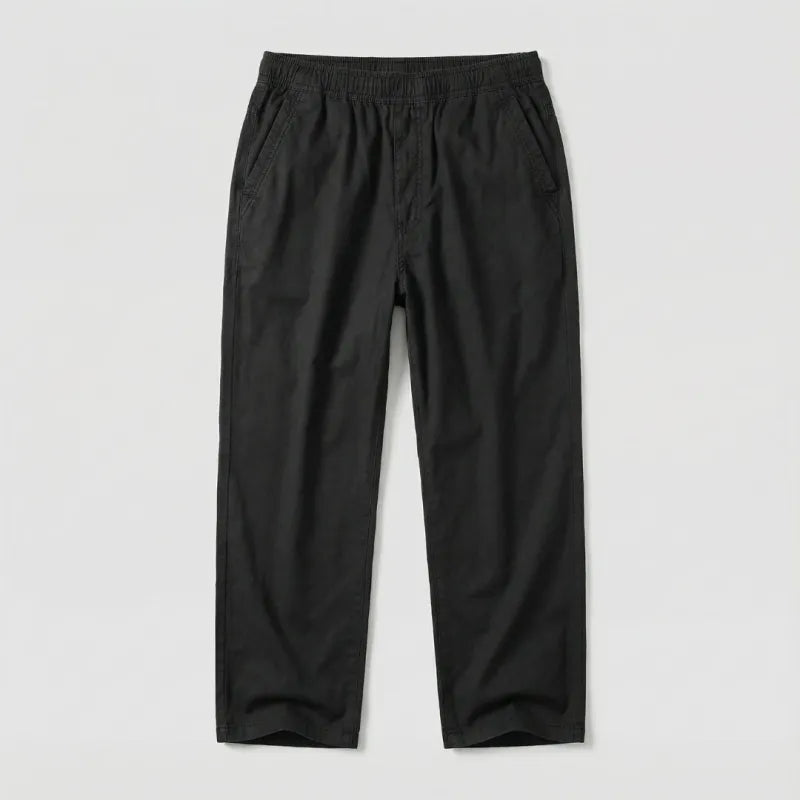
Understanding how to remove stains from work pants is not only about using the right methods—it’s also about avoiding the wrong ones. Many stains become permanent not because they are impossible to clean, but because of simple mistakes during treatment. Here are the most common errors that reduce stain removal success.
Using hot water too early
Hot water is one of the biggest causes of permanent staining. It can “cook” proteins (like sweat or food stains) and set oil-based stains deeper into fabric fibers, making them nearly impossible to remove later.
Putting pants in the dryer before stains are gone
Heat from tumble drying locks stains into the fabric. Even if a stain looks faint after washing, drying it too early can make it permanent.
Rubbing aggressively
Scrubbing hard may seem effective, but it actually pushes the stain deeper and can damage fibers. Gentle blotting or light brushing is far more effective.
Skipping pre-treatment
One of the most overlooked steps in how to remove stains from work pants is pre-treatment. Washing without it significantly reduces stain removal efficiency, especially for grease, paint, or cement.
Using random chemicals
Mixing cleaning products without understanding their chemical reaction can damage fabric or reduce cleaning effectiveness. Some combinations can even fix stains instead of removing them.
Check out this guide too: Top Cushioned Insoles for Work Boots – Built for Impact Relief
How to prevent stains on work pants?

A big part of mastering how to remove stains from work pants is actually learning how to prevent them in the first place. Prevention reduces cleaning frequency, extends garment lifespan, and keeps workwear looking professional for longer. Here are the most effective expert-approved prevention strategies:
Treat stains immediately. The single most effective prevention habit is speed. Even minor spills should be addressed as soon as possible. The longer a stain sits, the more it binds to fabric fibers, making future removal significantly harder.
Use protective gear when needed. Depending on the work environment, aprons, knee pads, or protective overalls can reduce direct exposure to oil, paint, cement, or chemicals. This is especially useful in construction and mechanical work.
Choose the right work pants material. Fabric technology plays a major role in stain resistance. Modern workwear fabrics are often treated to repel liquids and resist dirt penetration, reducing how often intensive cleaning is needed.
Keep a basic stain kit on-site. A simple kit with dish soap, a cloth, and a small brush can make a huge difference. Quick action at the job site often prevents stains from setting permanently.

Expert tips to keep your work pants like new
Even after learning how to remove stains from work pants, long-term maintenance is what truly preserves durability, appearance, and performance. Professionals in industrial laundry and workwear care follow a few consistent rules to extend garment life significantly.
Always check care labels first
Every fabric reacts differently to water temperature, detergents, and solvents. Ignoring care labels is one of the fastest ways to damage work pants permanently, especially technical fabrics used in modern workwear.
Repeat treatment if needed
Some deep stains require multiple cycles of pre-treatment and washing. Instead of increasing chemical strength, professionals prefer repeating gentle treatment steps to avoid weakening fibers.
Air dry only whenever possible
Air drying preserves fabric elasticity and prevents heat from locking in any remaining stain residue. It also reduces shrinkage and extends overall garment lifespan.
Avoid harsh chemicals on technical fabrics
Modern work pants often include stretch fibers or waterproof coatings. Harsh solvents can degrade these features, reducing comfort and protection over time.
Check out this guide too: Best Insoles for Work Boots: Expert Guide for Comfort and Support
Keeping your work pants clean and durable
Mastering how to remove stains from work pants is not just about reacting to accidents—it’s about combining fast action, the right techniques, and consistent maintenance habits. Most stains become permanent not because they are impossible to clean, but because they are treated too late or with the wrong method.
By identifying the type of stain, applying targeted solutions, and avoiding common mistakes like heat drying or aggressive scrubbing, you significantly increase your chances of full stain removal. Equally important is prevention: using protective gear, choosing durable fabrics, and treating stains immediately can dramatically reduce long-term damage.
In real-world work environments, the difference between worn-out pants and long-lasting workwear often comes down to routine care rather than expensive products. With the right approach, your work pants can stay functional, professional, and durable much longer—even under tough conditions.
