


Work boots are built to take a beating — but that persistent squeak with every step? That's a different kind of wear you shouldn't have to endure. According to a survey by the American Podiatric Medical Association, over 77% of workers report foot discomfort during long shifts, and ill-fitting or poorly maintained boots are a leading cause. Knowing how to stop work boots from squeaking isn't just about comfort — it's about keeping your focus on the job, not on the noise following you across the warehouse floor.
The good news: squeaky work boots are almost always fixable. The key is diagnosing where the squeak comes from before reaching for any product. Get that right, and you'll silence the noise in minutes. Quick Diagnosis:
- Squeak from the bottom? → Fix 1–2
- Squeak from the inside? → Fixe 3–4
- Squeak from the upper/laces? → Fix 5
- Squeak everywhere? → Fix 6
Why Do Work Boots Squeak?
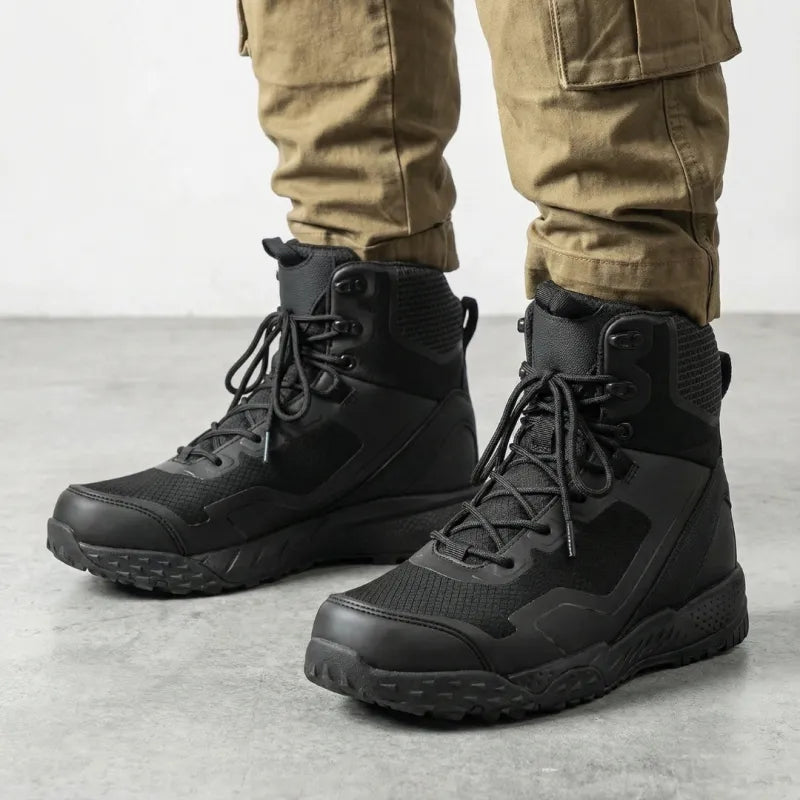
Work boots squeak for different reasons than regular footwear — and the fix depends entirely on the source. The heavy-duty construction, thick rubber outsoles, and removable safety insoles create more friction points than a standard shoe. Here are the four main culprits:
1. Insole vs. footbed friction: After hours of wear and sweat exposure, the insole starts sliding against the footbed beneath it. This is the most common cause in work environments, especially with steel toe or composite toe boots where insoles are fully removable.
2. Outsole against hard floors: Industrial rubber soles are designed for grip. On smooth concrete, tile, or hardwood, that same grip creates a squeaking friction you can't ignore.
3. Dry or stiff leather upper: New boots or boots that haven't been conditioned in a while develop friction between the tongue, eyelets, and laces during the break-in period.
4. A loose heel counter: The stiff internal structure that wraps your heel can loosen over time with heavy use, creating a subtle but persistent squeak from the back of the boot.
Identify your source first. Everything else follows.
Check out this guide too: Working Mens Trousers – Buying Guide & Top Mason Models
6 Fixes to Stop Work Boots from Squeaking

Discover tips for preventing your work boots from squeaking:
Fix 1: Squeaky Outsole on Hard Floors
Industrial rubber soles on smooth concrete or tile are a recipe for noise. Start by cleaning the outsole thoroughly with a damp cloth — get into every lug groove. Once dry, firmly rub a dryer sheet across the entire sole. This reduces friction without compromising grip. If the squeak persists, lightly sand the outsole with 80–120 grit sandpaper to break the surface tension. Two minutes of work, instant results.
Fix 2: Insole Rubbing Against the Footbed
Remove the insole completely. Sprinkle talcum powder, baby powder, or corn starch directly onto the footbed before replacing it. This creates a dry barrier that eliminates the friction causing the noise. Reapply every few weeks if you work in high-sweat conditions. Important: if your boots are brand new and squeak from the inside, the insole may not be properly bonded — that's a manufacturing defect. Return them or visit a cobbler before the warranty expires.
Fix 3: Moisture and Sweat Build-Up
Work boots take on serious moisture during long shifts. That trapped humidity causes layers to slide against each other and squeak. The fix: let boots dry completely between uses — never store them immediately after a shift. Use moisture-wicking insoles and apply talcum powder regularly. Proper airflow is the long-term solution here, not just a quick patch.
Fix 4: Squeaky Laces, Tongue, or Eyelets
This is common during the break-in period of new leather work boots. Remove the laces, work a small amount of saddle soap or leather conditioner into a cloth, and firmly rub it into the tongue and the interior eyelet area. Brace the tongue from inside with your other hand for better coverage. Re-lace once dry.
Fix 5: Loose Heel Counter
A squeaky heel usually means the internal counter has loosened. Apply a thin line of boot repair adhesive along the interior heel seam and press firmly. If the damage is structural, take them to a cobbler — a loose heel counter on a safety boot is a comfort and safety issue, not just an annoyance.
Fix 6: Squeak Coming from Everywhere
When the noise seems to come from the entire boot, the leather is too dry. Remove the laces, brush off surface dirt, and apply a quality leather conditioner across the full upper — avoiding the sole. Work it in with a clean cloth using circular motions. This restores suppleness, reduces friction, and protects the leather long-term. One treatment is usually enough to stop work boots from squeaking entirely.
Check out this guide too: Construction Worker Accessories: 7 Must-Have Expert Picks
When to Stop Fixing and Start Replacing
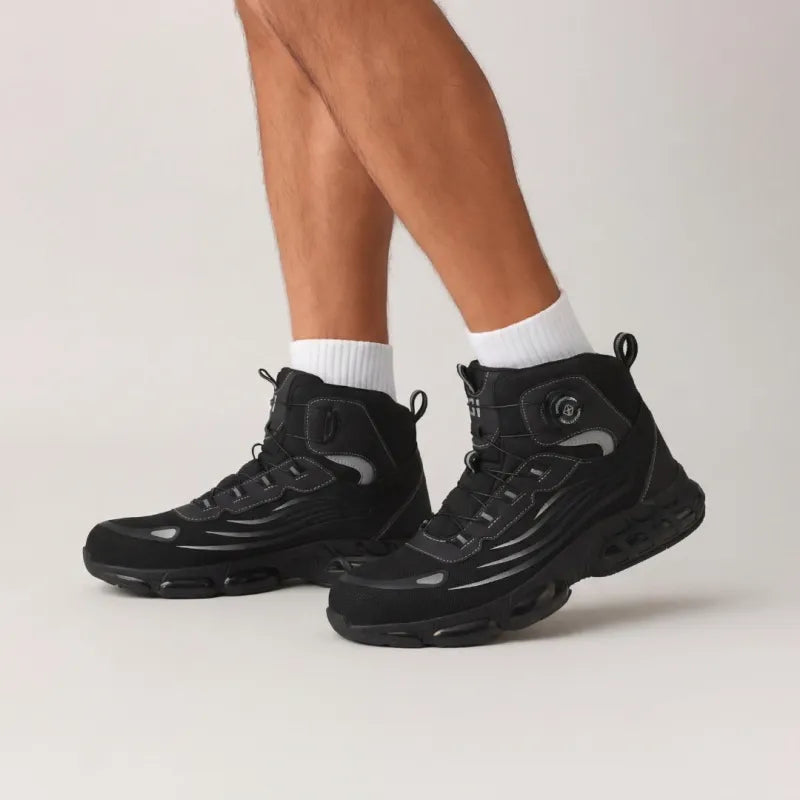
Not every squeak is worth chasing. If you've worked through the fixes above and the noise persists, your boots may be telling you something more important: they're done. Here are the clear signals it's time to replace your work boots:
- The outsole is separating from the upper. No adhesive fix holds reliably on a boot that sees daily heavy use. A delaminating sole is also a safety hazard on wet or uneven surfaces.
- The heel counter is cracked or collapsed. Once the internal structure fails, no amount of conditioning or repair glue restores proper ankle support.
- The toe protection is compromised. A dented or shifted steel or composite toe cap no longer meets safety standards — regardless of how the boot looks from the outside.
- The midsole has flattened. If you feel every step through the boot with no cushioning, the foam is gone. That's not a squeaking problem — that's a joint health problem after long shifts.
A quality pair of work boots should last 12 to 24 months under daily professional use. Beyond that, the materials degrade faster than any maintenance routine can compensate.
If you're at that point, Mason's work boots collection offers durable, well-constructed options built for exactly this kind of daily punishment. The ATLAS S3 Pro and POLAR S3 Pro are worth a close look — reinforced soles, composite toe protection, and materials that hold up without the break-in frustration.

How to Prevent Work Boots from Squeaking Long-Term
The best way to stop work boots from squeaking is to never let it start. A consistent maintenance routine takes less than five minutes and extends the life of your boots significantly.
Let them breathe after every shift. Remove the insoles and place boots in a ventilated area — never in a closed locker or bag while still warm. Trapped heat and moisture accelerate material breakdown and create the friction conditions that cause squeaking.
Condition the leather every 4–6 weeks. Dry leather is stiff leather, and stiff leather squeaks. A light application of leather conditioner keeps the upper supple and friction-free. If you work in wet conditions, condition more frequently.
Rotate between two pairs. Wearing the same boots every day without recovery time compresses the midsole and insole faster, creating more movement between layers. Two pairs worn alternately last nearly twice as long individually.
Use quality insoles from day one. Aftermarket insoles with better grip backing reduce insole-to-footbed movement significantly. This single upgrade prevents the most common cause of how to stop work boots from squeaking before it becomes a problem.
Re-lace with waxed laces. Waxed laces reduce friction at the eyelets and tongue — a small detail that eliminates one of the most overlooked squeak sources in leather work boots.
Silent Boots, Safer Shifts: Your Next Step
Squeaky work boots are a fixable problem — not a permanent one. Start with the outsole and insole fixes, work your way up to leather conditioning, and you'll silence the noise in one session. Maintain that routine and how to stop work boots from squeaking becomes a non-issue going forward. And if the boots are simply past their prime, don't patch what should be replaced — your feet and your safety rating depend on it.
Ready for boots that are built to stay quiet? Explore Mason's best work boots — engineered for durability, comfort, and long shifts without the drama.
