


Warehouse jobs are physically demanding environments where safety and comfort directly impact performance. According to the Occupational Safety and Health Administration, thousands of workplace injuries each year are linked to improper gear or clothing. That’s why knowing what to wear for warehouse work is not just about dress code—it’s about protection, efficiency, and long-term health.
In most warehouses, employees are exposed to heavy lifting, moving machinery, slippery floors, and changing temperatures. Wearing the wrong outfit can lead to fatigue, accidents, or reduced productivity. On the other hand, the right clothing helps you stay comfortable, move freely, and stay safe throughout your shift.
In this guide, you’ll discover exactly what to wear, what to avoid, and how to choose the best gear based on your work environment.
Quick Answer – What Should You Wear for Warehouse Work?

If you’re wondering what to wear for warehouse work, here’s the quick and practical answer:
- Safety shoes (steel toe or composite toe) to protect against heavy objects
- Durable work pants to prevent tears and injuries
- Breathable shirt to stay cool during long shifts
- High-visibility clothing if required for safety compliance
- Protective gear like gloves depending on your tasks
This combination ensures you stay safe, comfortable, and productive throughout the day. The exact outfit may vary depending on your warehouse environment (temperature, type of work, and company policies), but these essentials form the foundation of proper warehouse workwear.
Check out this guide too: Best Carpenter Work Boots Tested by Professionals for Jobsite Safety
Essential Warehouse Work Clothing: Safety First
Understanding what to wear for warehouse work starts with the essentials. Each piece of clothing plays a specific role in protecting you while keeping you comfortable during long, physically demanding shifts.
Safety Shoes: Most Important Item
Safety footwear is non-negotiable in any warehouse. Whether you choose steel toe or composite toe, these shoes protect your feet from falling objects, heavy equipment, and accidental impacts. Look for slip-resistant soles and shock absorption to reduce fatigue.
For physically intense roles, durable work boots offer maximum protection, while lightweight safety shoes are ideal if you’re constantly moving and need more flexibility.
Durable Work Pants
Warehouse work requires pants that can handle friction, bending, and heavy use. Durable fabrics prevent tears and protect your legs from minor injuries.
Cargo work pants are especially useful thanks to their extra pockets and reinforced areas. In wet or messy environments, waterproof work pants add an extra layer of protection and keep you comfortable throughout your shift.

Comfortable & Breathable Tops
Your top should allow airflow and wick away moisture. Breathable materials help regulate body temperature, especially in hot warehouses or during intense physical activity.
Avoid heavy fabrics that trap heat. Instead, opt for lightweight, flexible shirts that allow full range of motion.
High-Visibility Clothing (If Required)
In warehouses with vehicle traffic or low visibility zones, high-visibility clothing is essential. Reflective elements help ensure that forklift operators and other workers can easily see you, reducing accident risks.
Protective Gear (Gloves, etc.)
Depending on your tasks, additional protective gear may be required. Gloves are commonly used to improve grip and protect against cuts or abrasions.
Other equipment like knee pads or arm protection can also be useful in specific roles.
Best Work Outfit for Warehouse Jobs By Situation
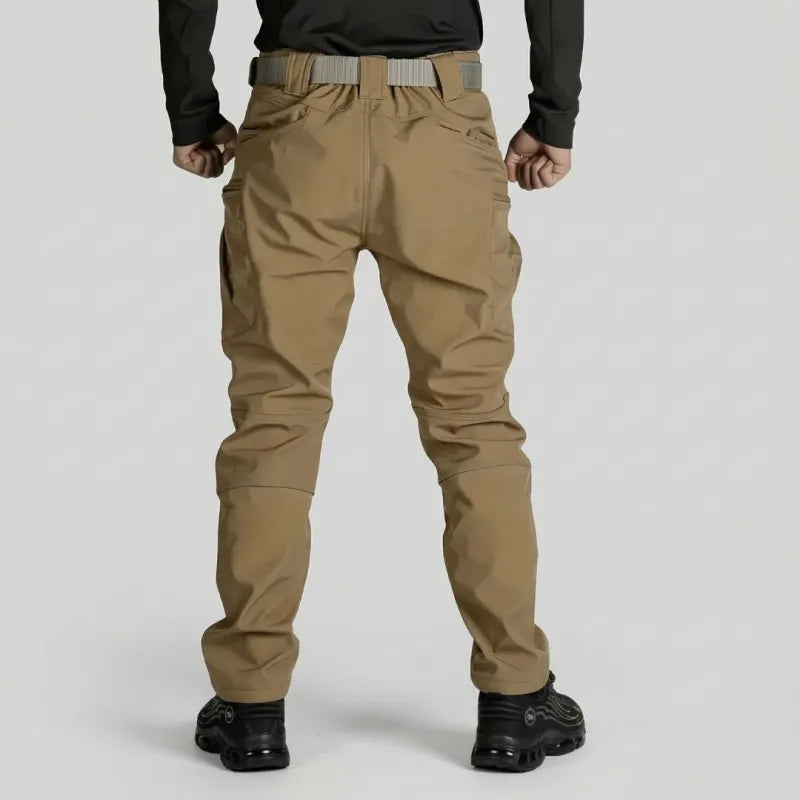
Knowing what to wear for warehouse work also depends on your environment. Not all warehouses are the same—temperature, workload, and tasks can vary significantly. Adapting your outfit to the situation improves both safety and performance.
For Hot Warehouses
In hot environments, overheating is a real risk. Choose lightweight, breathable clothing that helps regulate body temperature.
- Moisture-wicking shirts to stay dry
- Lightweight safety shoes for better mobility
- Flexible work pants that allow airflow
The goal is to stay cool without compromising protection.
For Cold Storage Warehouses
Cold environments require a completely different approach. Layering is key to maintaining body heat while staying mobile.
- Thermal base layers
- Insulated outerwear
- Waterproof or lined work pants
- Slip-resistant insulated boots
Make sure your layers are not too bulky, so you can still move efficiently.
For Heavy Lifting Jobs
If your role involves constant lifting or handling heavy goods, durability and support become critical.
- Reinforced work pants for added protection
- Steel toe boots for maximum safety
- Gloves for grip and hand protection
In these conditions, your clothing should reduce strain and protect against repeated impact.
What NOT to Wear in a Warehouse
When deciding what to wear for warehouse work, knowing what to avoid is just as important as knowing what to wear. Incorrect clothing choices can increase the risk of accidents, reduce efficiency, and even violate safety regulations in many workplaces.
- Loose clothing that can get caught in machinery or moving equipment
- Open-toe shoes or sandals, which leave feet completely unprotected
- Jewelry or accessories that can snag or cause injury
- Overly fragile fabrics that tear easily during physical tasks
- Shorts (in many warehouses) where leg protection is required
Safety guidelines in industrial environments are strict for a reason: reducing preventable injuries. According to the Occupational Safety and Health Administration, a significant portion of workplace accidents in material handling environments are linked to improper attire or lack of protective equipment.
Staying compliant with your company’s dress code and prioritizing functional clothing ensures you remain safe and productive throughout your shift.
How to Choose the Right Warehouse Work Clothes
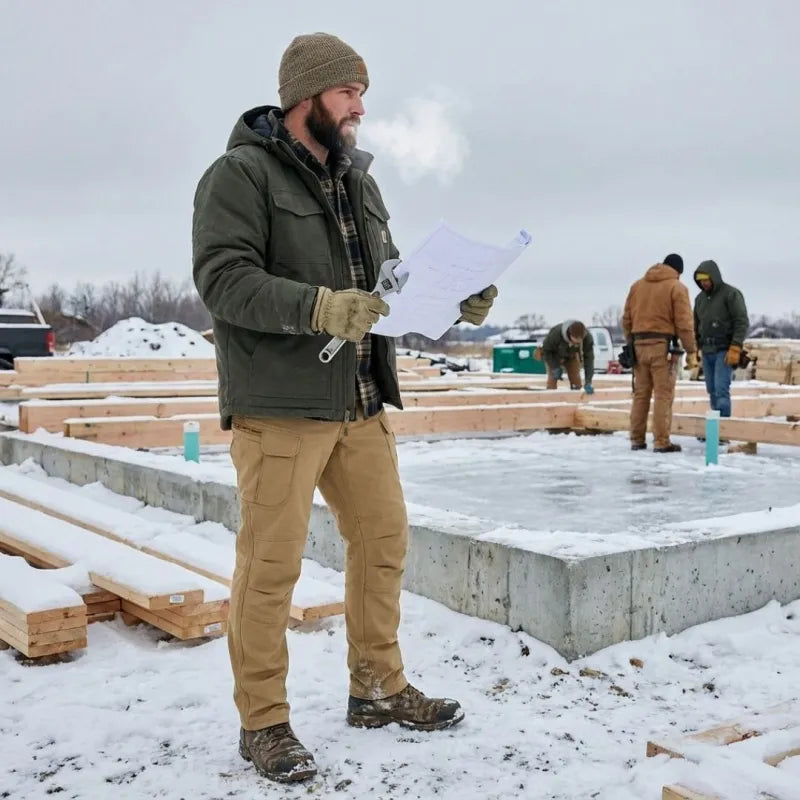
Choosing the right outfit is a key part of understanding what to wear for warehouse work, especially if you want to balance safety, comfort, and long-term durability. The best gear is not just about protection—it should also support your performance throughout long and physically demanding shifts.
- First, prioritize fit and mobility. Clothing should not be too tight or too loose. Tight clothes restrict movement, while overly loose garments increase the risk of getting caught in equipment. A balanced fit allows you to bend, lift, and move freely without discomfort.
- Second, consider the work environment. Temperature, humidity, and exposure to liquids or dust all influence your clothing choice. For example, waterproof materials are essential in damp conditions, while breathable fabrics are better suited for hot warehouses.
- Third, focus on durability and reinforcement. High-quality stitching, reinforced knees, and abrasion-resistant fabrics significantly extend the life of your workwear and reduce replacement costs over time.
- Finally, always check company safety requirements. Many warehouses follow strict PPE standards aligned with industrial safety recommendations from organizations like the Occupational Safety and Health Administration.
A good rule of thumb: your workwear should protect you first, support your movement second, and maintain comfort throughout your entire shift.
Check out this guide too: Best Wool Work Socks for Work – Expert Buying Guide
Recommended Gear for Warehouse Workers
When deciding what to wear for warehouse work, choosing the right gear can significantly improve both safety and daily comfort. Below are practical, work-tested recommendations that combine durability, protection, and performance.
Work Pants Recommendation
Cargo Work Pants are a strong choice for most warehouse environments. They offer reinforced stitching, extra storage pockets, and flexibility for constant movement. This makes them ideal for workers who need durability without sacrificing comfort.
- Best for: general warehouse duties, lifting, and fast-paced environments
- Key benefit: durability + functional storage for tools or small items
- Differentiator: designed for heavy daily use without restricting movement
Waterproof Work Pants are essential in environments where exposure to moisture, spills, or outdoor loading areas is frequent. They help keep you dry and comfortable throughout long shifts.
- Best for: cold storage, outdoor logistics, wet environments
- Key benefit: protection against water and humidity
- Differentiator: maintains comfort even in harsh working conditions
Footwear Recommendation
Work Boots are the standard for high-protection warehouse jobs. They provide strong ankle support, slip resistance, and reinforced toe protection for heavy-duty tasks.
- Best for: heavy lifting, industrial warehouses
- Key benefit: maximum protection and stability
- Differentiator: built for impact resistance and long-term durability

Lightweight Safety Shoes are ideal for workers who prioritize speed and flexibility. They still offer toe protection and slip resistance but reduce fatigue during long shifts with constant movement.
- Best for: fast-paced picking, sorting, and logistics roles
- Key benefit: lightweight comfort + essential safety
- Differentiator: combines protection with agility for all-day wear
Expert Tips for Comfort & Safety
Even when you already know what to wear for warehouse work, small adjustments in how you use your gear can significantly improve your comfort, safety, and endurance during long shifts.
- Break in your safety shoes before long shifts to avoid blisters and foot fatigue
- Wear moisture-wicking socks to reduce sweating and prevent discomfort
- Use layered clothing in variable temperatures instead of wearing one heavy piece
- Always check your gear before starting work (zippers, seams, sole grip, etc.)
- Follow your warehouse safety rules strictly, especially around PPE requirements
- Keep a spare layer or shirt in case of spills or temperature changes
These small habits can make a big difference in daily productivity and reduce the risk of workplace discomfort or injury. In physically demanding environments, consistency in preparation is just as important as the clothing itself.
Final Thoughts
Choosing the right outfit for warehouse work is not just about meeting a dress code—it’s about protecting your body, improving your efficiency, and staying comfortable throughout demanding shifts. The right combination of safety shoes, durable pants, and breathable layers ensures you are prepared for any warehouse environment.
If you apply these principles consistently, you’ll not only reduce injury risks but also improve your overall work performance and endurance over time.


