


Choosing the right work boot is not just about the size on the box. According to a study by the Occupational Safety and Health Administration (OSHA), nearly 30% of foot injuries in the workplace are linked to poorly fitting footwear, leading to blisters, slips, and muscle fatigue. Understanding how should a work boot fit is therefore essential to protect your feet and improve daily performance.
A poorly fitting boot can compromise stability, cause pain, or reduce wear time without discomfort. In this guide, we will explain how a boot should feel at the toes, heel, and ankle, the criteria to check for all-day comfort, common fitting mistakes to avoid, and specific adjustments depending on the type of boot.
Why Proper Fit Is Crucial?
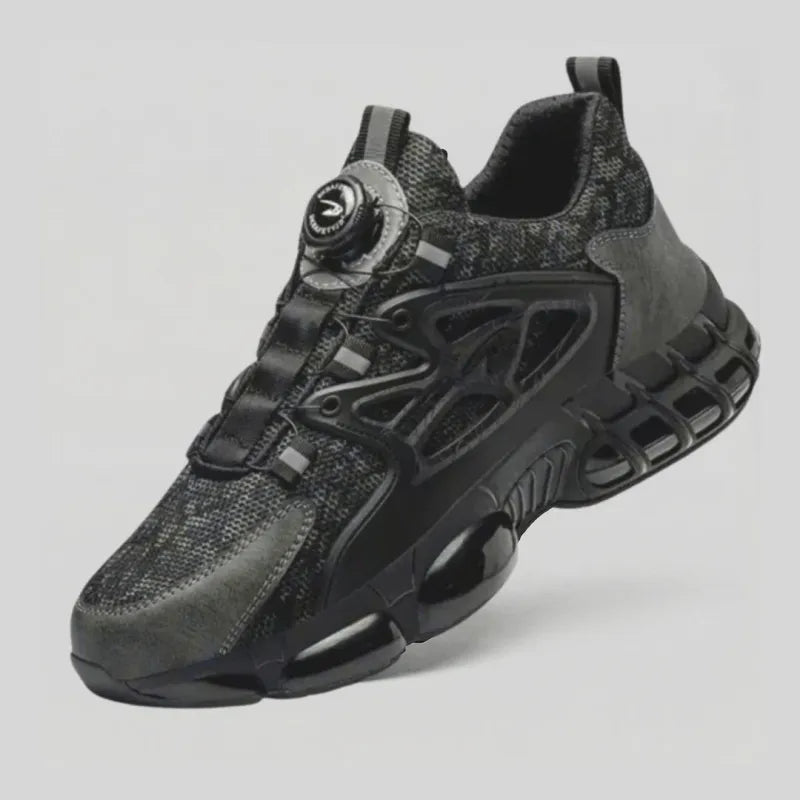
Understanding how should a work boot fit is essential to prevent injuries and discomfort. A poorly fitting boot can cause blisters, toe or heel pain, and even long-term musculoskeletal issues. According to a study by the American Podiatric Medical Association, nearly 25% of professionals wearing improperly fitted shoes report chronic foot pain, directly affecting productivity and workplace safety.
A proper fit ensures optimal stability and effective ankle support, reducing the risk of slips or twists. It also promotes balanced weight distribution, limiting fatigue during long workdays. In industrial settings or on construction sites, every movement matters. A boot that is too tight or allows the heel to slip can compromise balance and reaction time in case of danger. Mastering how should a work boot fit is therefore not only about comfort but also about safety and performance.
Choosing a well-fitted boot combines protection, comfort, and durability, allowing workers to perform efficiently and confidently while preserving foot health.
Discover this: Different Types of Safety Boots – Complete Guide
How a Work Boot Should Feel: Toes, Heel, Ankle
To understand how should a work boot fit, it is essential to check comfort and support in three key areas of the foot. A properly fitted boot protects, supports, and reduces fatigue throughout the workday.
1. Toes
The toes should have enough space to move slightly without being compressed. Ideally, leave 0.5 to 1 cm between the tip of your toes and the boot. This prevents friction, blisters, and discomfort while maintaining the protection of reinforced toe caps like Steel Toe or Composite Toe.
2. Heel
The heel should be firm but comfortable. It should not slip while walking or moving quickly, as this can cause friction and strain on the arch. Heel stability often depends on lacing and the insole.
3. Ankle
The ankle requires a balance between support and freedom of movement. Too stiff, it limits mobility and causes muscle tension; too loose, it increases the risk of twists or falls, especially on uneven surfaces. Proper ankle support is crucial for safety and comfort.
Checking these three areas ensures that the boot protects effectively while offering lasting comfort, essential for long days on construction sites or in industrial environments.
Criteria to Check Comfort for a Long Workday
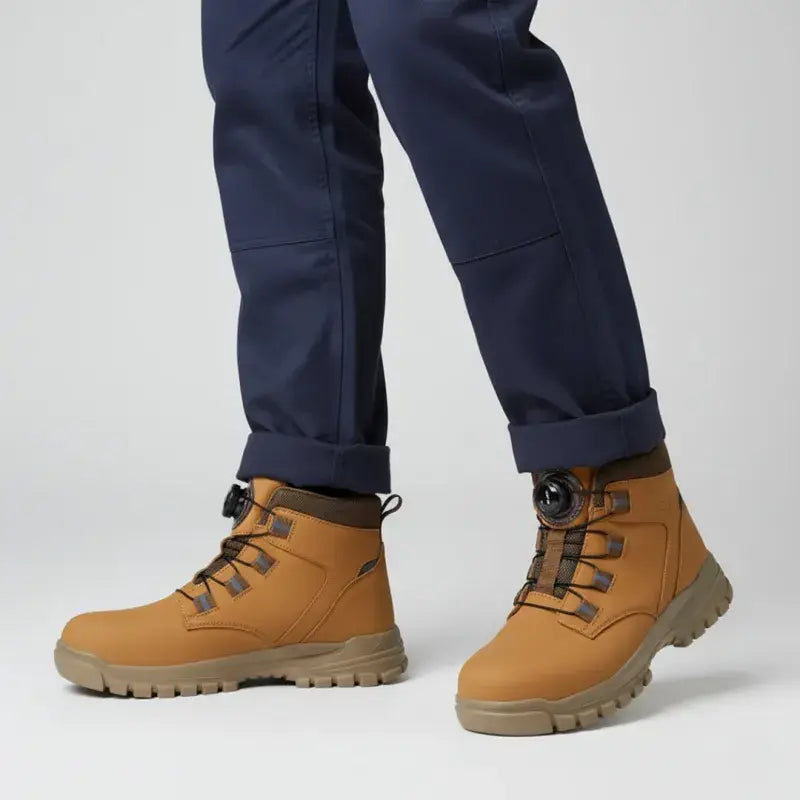
Understanding how should a work boot fit goes beyond a quick try-on. The real test comes when wearing the boot for several hours. Long-lasting comfort depends on several key factors.
Boot Weight
A boot that is too heavy, even if well-fitted, can cause strain in the legs and back. A boot that is too light may lack support and reduce protection for the toes and ankle.
Cushioning and Sole Flexibility
A shock-absorbing sole reduces joint fatigue and allows you to stand longer. Flexibility should match the type of surface: uneven terrain requires a more flexible sole to follow the foot’s movements.
Materials and Breathability
Breathable leather, lightweight linings, and waterproof membranes affect temperature and moisture control. Keeping your feet dry and at a comfortable temperature ensures all-day comfort.
Practical Multi-Hour Test
Try your boots with your usual work socks and wear them for several hours to identify pressure points, discomfort zones, and adjust lacing or insoles if necessary.
By following these criteria, you ensure that your boots protect effectively while providing lasting comfort, essential for long workdays.
Read also: Expert Guide to Waterproof Work Boots: Protection, Comfort & Durability
Common Mistakes to Avoid When Trying On Work Boots
Even when you know how should a work boot fit, certain common mistakes can compromise comfort and safety. Experienced professionals know how to avoid them.
Boots That Are Too Tight. A boot that is too narrow causes friction, blisters, and reduces blood circulation. Compressed toes quickly lead to pain and can cause long-term injuries.
Boots That Are Too Loose. Conversely, a boot that is too wide allows the heel to slip and decreases stability. Each step becomes tiring, and the risk of twists or falls increases, especially on uneven or slippery surfaces.
Inadequate Soles. Some soles are too rigid or too soft for the type of work performed. An ill-suited sole causes uneven weight distribution, rapid fatigue, and lasting discomfort.
Ignoring the Practical Test. Many choose a size based solely on the labeled pointure or a quick try-on. However, testing the boot for several hours with your usual socks is essential to check fit, pressure points, and overall comfort.
By avoiding these mistakes, you ensure that your boots provide not only comfort but also the necessary safety on construction sites or industrial workplaces.
Tips for Different Types of Work Boots
Choosing the right type of boot depends on the job and environment. Understanding how should a work boot fit for each type is essential for combining comfort and safety.
|
Boot Type |
Recommended Fit |
Key Comfort & Safety Points |
|
Steel Toe |
Precise fit at toes and heel |
Steel toe protects against heavy impacts; avoid compressing toes; slip-resistant sole is essential |
|
Slightly more space to accommodate the rigid toe cap |
Lighter than steel, good thermal insulation; suitable for electrical work; check heel support |
|
|
Enough room for thick socks |
Protection against moisture and cold; flexible sole for natural movement; breathability important for all-day comfort |
|
|
Snug fit with firm heel |
Combines style and protection; ideal for mobility and prolonged standing; cushioned sole reduces fatigue |
|
|
Reinforced ankle support |
Designed for uneven terrain; ankle support and abrasion-resistant sole; comfortable for long walks |
This table allows you to quickly see how each boot type should fit to ensure comfort and safety, considering the work environment and professional use.
Discover: Best Work Boots for Factory Work: Safety, Comfort & Durability
Practical Tips for Finding the Perfect Size
Knowing how should a work boot fit requires more than just checking the labeled size. A few practical tips help ensure comfort and safety throughout the workday.
- Try them on at the end of the day: Feet swell slightly after hours of work or walking. Trying on boots later in the day ensures they remain comfortable even when your feet are a bit larger.
- Use your usual socks: Wear the socks you typically use on-site or in industrial environments. This affects the space needed inside the boot and heel support.
- Test mobility: Walk, climb stairs, or bend your knees to make sure the boot is not too tight and that the ankle remains properly supported.
- Adjustments possible: Don’t hesitate to adjust lacing, use insoles, or choose the correct width to correct minor comfort issues.
With these simple tips, you ensure that your boots fit your feet perfectly, optimizing both protection and comfort throughout the day.
Choosing the Right Work Boot: Summary and Expert Tips
Understanding how should a work boot fit is essential for protecting your feet, improving comfort, and preventing workplace injuries. Each area of the foot—toes, heel, ankle—plays a crucial role, and all-day comfort depends on weight, sole, and materials. Avoiding common mistakes and adjusting the size according to the boot type (Steel Toe, Composite, Waterproof…) ensures safety and performance.
Investing in well-fitted boots allows you to work efficiently, confidently, and without pain.
FAQ – How Should a Work Boot Fit
How do you know if your work boots fit?
To check how should a work boot fit, wear your boots for several hours with your usual socks. Your toes should have slight movement, the heel should be securely held, and the ankle supported without excessive compression. Walk, bend your knees, and move side-to-side to identify pressure points.
Should work boots be tight or a little loose?
They should never be too tight or too loose. Too tight causes blisters and restricts circulation; too loose allows heel slippage and reduces stability. The ideal fit is snug but comfortable, providing solid support for the foot.
How much room should be in work boots?
There should be about 0.5 to 1 cm of space in front of the toes. This allows slight toe movement without friction and ensures that the toe cap (Steel Toe or Composite Toe) protects properly without compressing the toes.
