
Warehouse work is one of the most physically demanding environments, where workers are exposed daily to risks such as slips, heavy object handling, repetitive strain, and impact injuries. In this context, wearing the right PPE (Personal Protective Equipment) is not optional—it is essential for maintaining safety, performance, and long-term health. From safety footwear to protective clothing and supportive accessories, every element of your gear plays a critical role in reducing workplace hazards. Proper PPE helps minimize injuries, improve stability, and ensure compliance with essential workplace safety standards.
Understanding what equipment you need—and why it matters—is the first step toward building a safer and more efficient working environment. Whether you work in picking, packing, logistics, or heavy-duty warehouse operations, the right protection directly impacts your comfort, productivity, and risk level throughout the day.
In this guide, you’ll discover the essential PPE every warehouse worker should use, how safety standards apply to your equipment, and how to build a complete protection system for daily work conditions.

Warehouses are high-risk environments where workers are constantly exposed to physical hazards. Unlike office settings, every task involves movement, lifting, or operating in shared spaces where accidents can happen in seconds. The most common risks include slips and trips on hard surfaces, injuries caused by falling or moving objects, and repetitive strain from long hours of manual work. Without proper protection, even minor incidents can lead to significant downtime or long-term injuries.
Another key factor is the intensity of warehouse operations. Fast-paced workflows, tight deadlines, and continuous physical effort increase the likelihood of fatigue-related mistakes, which can directly impact safety. Wearing appropriate PPE significantly reduces these risks by providing:
Beyond physical protection, PPE also plays a role in maintaining consistent performance. When workers feel secure and supported, they can move more efficiently and reduce unnecessary stress on the body. In short, PPE is not just a compliance requirement—it is a fundamental part of preventing injuries, reducing fatigue, and ensuring long-term safety in warehouse operations.
When it comes to warehouse PPE, not all equipment offers the same level of protection. Understanding safety standards is essential to ensure your gear meets the minimum requirements for workplace safety and performance. One of the most important certifications for warehouse footwear is the EN ISO 20345 standard, which defines the basic and additional safety requirements for protective shoes.
This standard ensures that footwear provides proper protection against impact, compression, and workplace hazards. Within this certification, different protection levels exist:
Choosing the right level depends on your working environment and risk exposure. For warehouse workers, S3-rated footwear is often the most suitable option due to the combination of durability, grip, and all-day protection. Using certified PPE is not just about compliance—it is about guaranteeing that your equipment performs reliably under real working conditions and reducing the risk of injury.
Choosing the right PPE is not about a single item—it’s about building a complete protection system that covers your feet, body, and daily working conditions. In a warehouse environment, each category of equipment plays a specific role in reducing risk and improving comfort throughout long shifts.
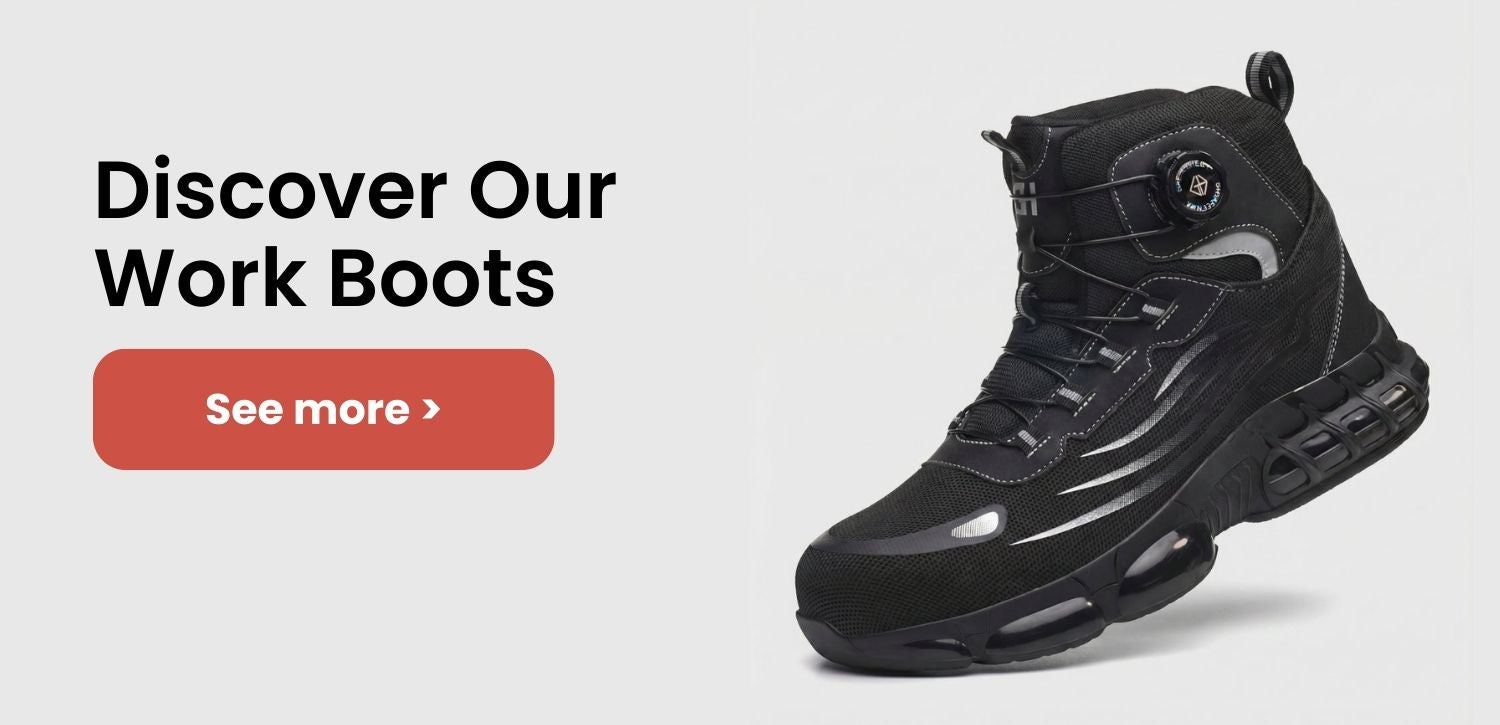
Safety footwear is the foundation of warehouse protection. It protects against impact, compression, slips, and continuous stress from hard surfaces. Modern safety shoes and boots are designed to combine protection with comfort, helping workers stay stable and reduce fatigue during long working hours.
Recommended options:
Work socks are often underestimated, yet they play a key role in moisture control, comfort, and reducing friction inside safety footwear. Proper socks help prevent irritation and improve overall foot stability during long shifts.
Insoles improve shock absorption and help distribute pressure evenly across the foot. This reduces strain on the heel and forefoot, especially during prolonged standing or repetitive walking.
TECKRS™ Pro Cushion Insole is designed to enhance comfort and reduce foot fatigue in demanding work environments.
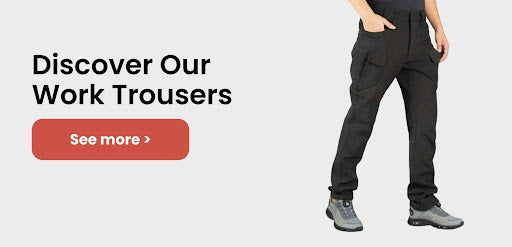
Warehouse PPE also includes durable and functional clothing designed to support mobility while offering protection. This includes reinforced trousers, jackets, and high-visibility gear depending on the work environment.
Explore Mason's workwear collection to find the essentials.
Additional PPE elements such as belts, support accessories, and functional gear help improve ergonomics and reduce strain during repetitive tasks.
Together, these PPE categories form a complete protection system that helps warehouse workers stay safer, more comfortable, and more efficient throughout the day.

Not all warehouse jobs require the same level of protection. The right PPE depends on your daily tasks, your working environment, and the physical intensity of your role. Choosing equipment based on your job profile helps improve both safety and comfort while reducing unnecessary fatigue.
Workers involved in picking and packing spend most of their time walking, bending, and moving quickly between aisles. In this case, lightweight and flexible PPE is essential to maintain speed and reduce foot fatigue.
Lightweight safety trainers are often preferred
Breathable work socks improve comfort during long shifts
Cushioning insoles help reduce repetitive impact
For roles involving heavy loads, impact risk and physical strain are significantly higher. PPE must provide maximum protection and stability.
These roles involve frequent movement between indoor and outdoor environments. PPE must balance durability, comfort, and adaptability.
In cold environments, protection against low temperatures becomes a priority. Without proper insulation, fatigue and discomfort increase rapidly.
Choosing PPE based on your role ensures better performance, lower fatigue, and improved long-term safety.

Even in well-organized warehouses, many workers unknowingly make mistakes with their PPE that reduce safety and increase fatigue over time. These errors often don’t cause immediate issues—but they significantly impact comfort, performance, and injury risk in the long run.
Focusing Only on Safety, Not Comfort. One of the most common mistakes is choosing PPE that meets safety requirements but ignores long-term comfort. While certification is essential, equipment that lacks cushioning or support can quickly lead to foot fatigue and reduced performance during long shifts.
Overlooking the Importance of Small Components. Many workers underestimate the role of accessories such as socks and insoles. However, these elements directly influence pressure distribution, moisture control, and overall stability inside safety footwear.
Delaying PPE Replacement. Worn-out equipment is another hidden risk. Safety shoes, for example, gradually lose their shock absorption and grip over time. Continuing to use degraded PPE increases the likelihood of slips, discomfort, and strain injuries.
Not Using PPE as a Complete System. PPE is often treated as separate items rather than a unified system. In reality, footwear, socks, insoles, and clothing must work together to provide full protection and comfort. Missing one element can reduce the effectiveness of the entire setup.
Ignoring Environment-Specific Needs. Using the same PPE for all conditions is another frequent mistake. Cold environments, heavy lifting tasks, and fast-paced picking roles each require different levels of protection and support.
Avoiding these mistakes is essential for maintaining both safety and efficiency in warehouse operations.
Effective warehouse safety is not achieved by using isolated items—it comes from building a complete PPE system where every element works together to protect your body and improve performance throughout long shifts. When properly combined, your equipment reduces impact, improves stability, and helps prevent fatigue-related injuries caused by repetitive physical work.
A complete PPE system includes:
Your footwear is the first layer of defense against workplace hazards such as impact, slips, and heavy loads. It must provide both safety certification and long-term comfort. Recommended options:
Insoles enhance comfort by absorbing shock and reducing pressure on key areas such as the heel and forefoot. This is essential for workers standing or walking for long hours.
TECKRS™ Pro Cushion Insole
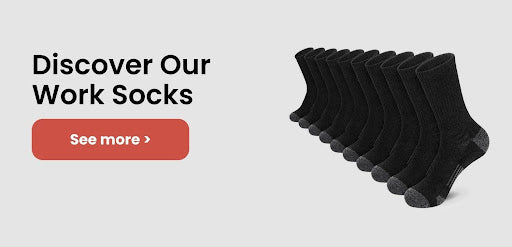
Work socks complete the system by improving moisture control, reducing friction, and enhancing overall foot stability inside safety footwear.
When all elements are used together, they create a multi-layer protection system:
This synergy significantly improves safety, endurance, and comfort, especially during long warehouse shifts.
Warehouse work places constant physical demands on the body, making proper protection essential for both safety and long-term performance. Without the right equipment, workers are exposed to unnecessary risks such as injuries, fatigue, and reduced efficiency.
Essential PPE is not just about meeting safety requirements—it is about creating a working environment where your body is supported throughout long and physically intense shifts. When your footwear, clothing, and accessories are properly selected and combined, they significantly reduce strain and improve overall comfort.
By applying the right safety standards and choosing equipment adapted to your role, you can work more confidently, reduce fatigue, and maintain a higher level of performance every day. Building a complete PPE system is one of the most effective ways to improve both safety and productivity in warehouse environments. Explore Mason essential workwear and safety gear now!