



Your legs are already doing extra work carrying that pregnancy. Now you're about to sit in a pressurized tube for three hours at 35,000 feet. That combination is not trivial.
Compression socks during pregnancy flights are not a comfort gimmick. They're a straightforward medical intervention against a real risk. Here's what you need to know before you board.
Key points at a glance
- Pregnancy multiplies your DVT risk up to tenfold. Flying adds another layer on top of that.
- Cabin pressure and immobility slow blood return from your legs dramatically.
- Graduated compression socks (15, 20 mmHg) are the right starting point for most pregnant travelers.
- Put them on before you leave the house, not at the gate.
- Skipping them on a long flight is a genuine gamble, not just discomfort you'll walk off.
- Other habits help, but socks are the non-negotiable anchor of the whole plan.
What good compression socks do for you in the air
The Short Answer: Yes, You Need Them (Here's the Real Reason)
Pregnancy makes your blood thicker and your veins more relaxed. Both of those things are normal, both are there to help with delivery. Both also make clots more likely.
A flight locks you into a seat, drops cabin pressure, and dries out the air. Blood pools in your calves. That's the setup for deep vein thrombosis, or DVT. A clot that breaks loose and hits your lungs is a pulmonary embolism. That is life-threatening. Compression socks are the cheap, effective, proven tool against this specific chain of events.
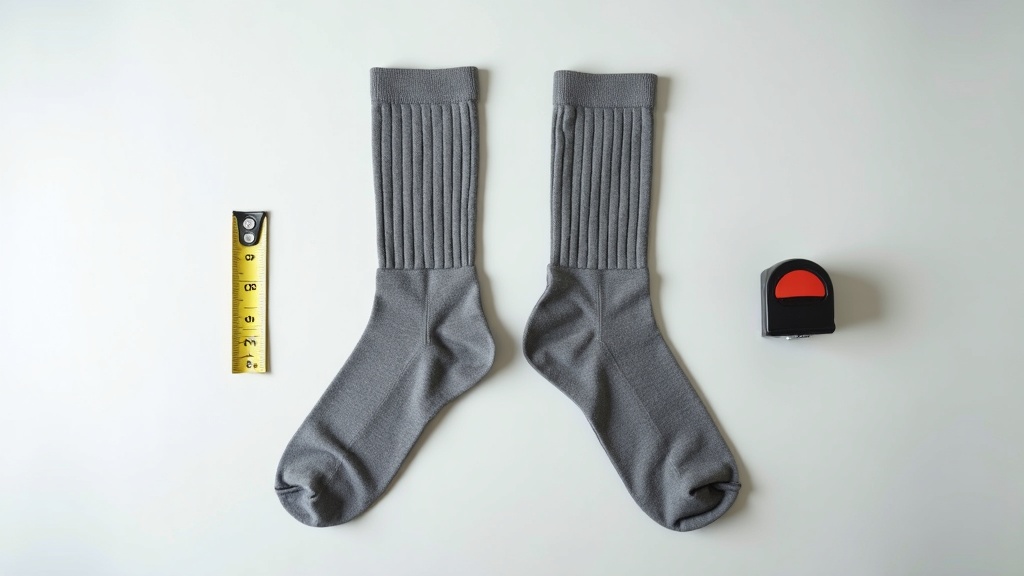
What Flying Does to Your Body When You're Pregnant
At cruising altitude, cabin pressure sits around the equivalent of 6,000 to 8,000 feet above sea level. Lower oxygen partial pressure causes mild vasodilation, meaning your blood vessels relax a little more than usual.
Your uterus, which is already pressing on the large veins in your pelvis, makes it harder for blood to drain from your legs. Add three or four hours of sitting without moving, and the blood just sits there.
Swelling, aching, and clot risk all go up together. The compression sock works mechanically: it squeezes the vein walls together so blood has less space to pool and more pressure pushing it back up.
Did you know?
Pregnant women are five times more likely to develop a DVT than non-pregnant women of the same age. In the third trimester and the six weeks after delivery, that risk climbs even higher. A long-haul flight compounds it further because immobility is one of the three classic DVT triggers alongside hypercoagulability and vessel wall changes.
What Happens If You Skip the Compression Socks
Best case: you land with swollen ankles that take two days to go back down, and you feel like your legs are wearing wet cement boots.
Worst case: a clot forms in your calf, travels to your lungs. Pulmonary embolism is one of the leading causes of maternal death during pregnancy. That's not scare talk. That's data from maternal mortality reviews in the U.S. and the UK.
The socks cost fifteen to thirty dollars. The math here is not complicated.
When to Start Wearing Compression Socks During Pregnancy
For flying, start from the first trimester if you're on a flight longer than two hours. Your clotting factors shift from early in pregnancy, not just in the third trimester.
- Short flights (under 2 hours): Still wear them if you already have leg swelling or varicose veins.
- Flights 2 to 4 hours: Compression socks are recommended. No exceptions during pregnancy.
- Flights over 4 hours: Mandatory as far as most OBs and travel medicine specialists are concerned. Aisle seat, get up at least once per hour.
If you have a history of clotting disorders, varicose veins, or prior DVT, talk to your doctor before you fly. Some women need low-molecular-weight heparin injections on top of compression. Socks alone may not be enough in those cases.

How to Pick the Right Compression Level (Not All Socks Are Equal)
Compression is measured in millimeters of mercury (mmHg). Higher number means more squeeze. More is not always better.
| Compression Level | mmHg Range | Best For |
|---|---|---|
| Mild / Travel | 8, 15 mmHg | Light swelling, very short flights, low-risk pregnancies |
| Moderate (most common) | 15, 20 mmHg | Most pregnant travelers, flights 2+ hours, general swelling |
| Firm / Medical | 20, 30 mmHg | Varicose veins, prior DVT, doctor-prescribed use |
| Extra Firm | 30, 40 mmHg | Medical conditions only, prescription required |
For most pregnant women flying, 15, 20 mmHg is the sweet spot. It's firm enough to matter, comfortable enough to keep on for a transatlantic flight. Brands like Sockwell, CEP, Sigvaris, and Jobst all make solid options in this range with maternity-specific fits.
Look for graduated compression, meaning tighter at the ankle, progressively looser up the calf. That's the mechanism that actually works. A sock that's uniformly tight is just a tight sock.
Did you know?
A 2006 study published in the Journal of Thrombosis and Haemostasis found that wearing below-knee compression stockings on long-haul flights reduced the incidence of symptomless DVT by over 90 percent compared to passengers who wore no compression. That's not a marginal benefit.
How to Wear Them Right on a Flight (Most People Get This Wrong)
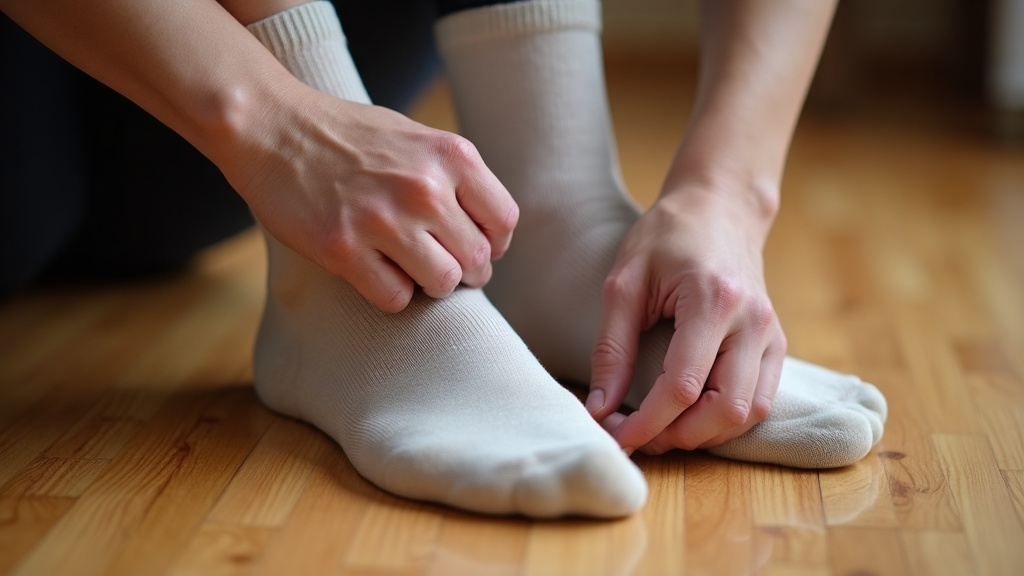
The biggest mistake: putting them on at the airport after your legs have already started swelling from the drive or the walk through the terminal. Put them on before you leave the house. Your legs are at their smallest in the morning. The sock fits properly. The compression works correctly from the start.
Step-by-step for the flight
- Roll the sock down to the heel before pulling it on. Don't bunch it up the leg.
- The heel pocket should sit on your actual heel, not halfway up the back of your ankle.
- Smooth out any wrinkles. Creases create pressure points that cut off circulation instead of aiding it.
- Keep them on for the entire flight, including time spent at the gate.
- Take them off only when you're settled at your destination and lying down or with legs elevated.
Other Things That Actually Help on the Plane
Compression socks handle the mechanical side. A few other moves make the overall picture safer.
- Hydrate: Drink water consistently. Skip the salty snacks and the alcohol. Dehydration thickens blood further.
- Walk the aisle: Get up once per hour on flights over two hours. Even two minutes of walking reactivates the calf muscle pump.
- Flex your feet while seated: Dorsiflexion (toes toward your shin) and ankle circles while seated keep the calf pump working between walks.
- Aisle seat: You'll actually use it to get up if you're not blocked in.
- Avoid crossing your legs: It compresses the popliteal vein behind the knee and reduces return flow.
Can Flying Cause Miscarriage or Preeclampsia? Straight Talk on the Real Risks
Flying does not cause miscarriage. The cosmic radiation exposure on a single flight is negligible for most routes. Cabin pressure changes are not associated with preterm labor in healthy pregnancies.
The real risks from flying pregnant are DVT, pulmonary embolism, and the logistical problem of being far from your OB if something unrelated happens. Most airlines stop allowing pregnant passengers to fly after 36 weeks anyway. Check your carrier's policy before booking.
If you have a complicated pregnancy, placenta previa, severe anemia, or uncontrolled hypertension, your OB may tell you not to fly at all. That's a conversation to have before you buy the ticket, not at the gate.
Bottom Line: What You Need Before You Board
Here's the short checklist. No fluff, just the items that matter.
- Graduated compression socks, 15, 20 mmHg, fitted to your calf circumference and foot size. Size matters. A sock that's too loose does nothing.
- Doctor clearance if you're past 28 weeks, flying more than 4 hours, or have any complications.
- Aisle seat booked in advance.
- Water bottle you'll actually refill and drink from.
- Socks on before you leave home, not at the airport.
That's it. You're not looking for a miracle product. You're managing a known physiological risk with a proven, affordable tool. Buy the socks. Wear them. Walk the aisle. Drink your water. Land safe.
See also:
Best Thick Cushion Socks for Workers Who Are on Their Feet All Day
Who Should Not Wear Flight Socks: Know Before You Fly
Boot Socks for Guys: What Actually Holds Up on the Job
Where to Buy Compression Socks for Flying (And What to Get)
