


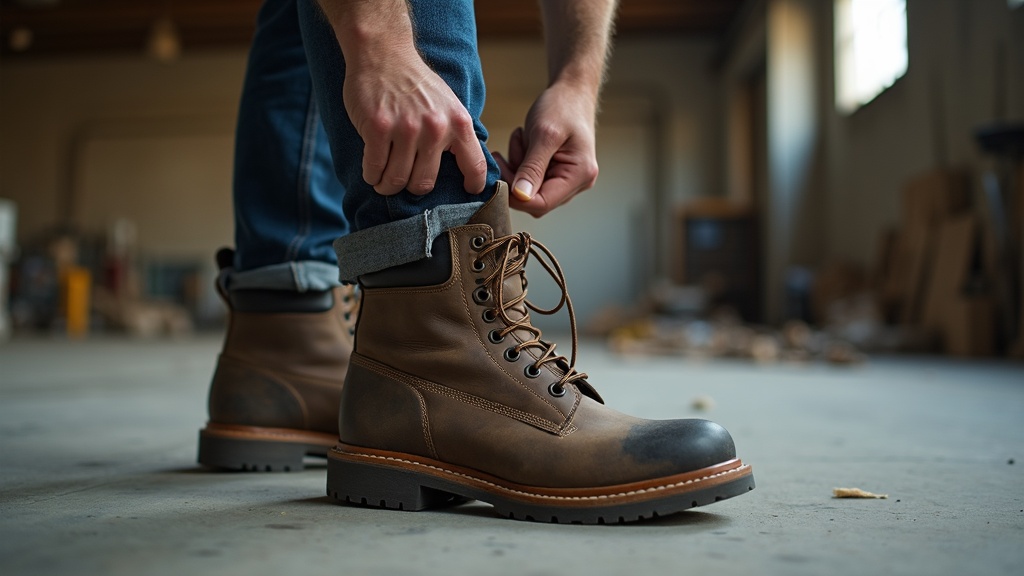
Eight hours on concrete is not like eight hours on carpet. The floor doesn't give. It doesn't flex. It just hammers upward, every step, all shift long. And if your socks are doing nothing, your feet, your knees, and your lower back are paying the price.
This guide cuts straight to what works. No fluff, no brand sponsorships, no "top ten" filler. Just honest picks and the real reasons one sock holds up while another falls apart by lunch.
Key points at a glance
- Cushion in the heel and ball of the foot is the single most important feature for concrete floor work.
- Merino wool and quality synthetic blends outperform cotton for sweat, smell, and durability.
- Compression socks are worth it if you stand 6+ hours, but fit has to be right or they make things worse.
- Women-specific fits matter: a sock made for a size 11 men's foot won't protect a size 7 women's foot the same way.
- Washing habits kill socks faster than the job does: heat is the enemy.
- Spending $15 on a good pair beats spending $200 at a podiatrist for plantar fasciitis treatment.
What a great concrete floor sock actually does
Why Concrete Floors Destroy Regular Socks (And Your Feet With Them)
Concrete has zero give. Every step transfers full impact directly into your heel, arch, and ball of foot. A thin cotton sock adds nothing between you and that force.
Regular socks also compress flat in the first hour. Once the cushion is gone, you're basically standing on a cotton film. That's when your heel starts aching and your Achilles gets tight.
Add eight hours of sweat buildup and the sock slides inside the boot. Friction blisters, hot spots, toenail bruising: all preventable with the right pair.
What to Look For Before You Buy: Cushion, Material, and Fit
Three things decide whether a work sock is worth your money on concrete.
Cushion level
Look for full-cushion or heavy-cushion construction, especially at the heel and ball. Mid-cushion is fine for light standing. On concrete all day, you want more padding, not less.
Material
Wool and wool blends regulate temperature and resist odor naturally. Synthetics like nylon and polyester add durability and moisture-wicking. Cotton alone wears out fast and holds moisture. More on this below.
Fit and stay-up power
A sock that slides to your ankle by 9 AM is a blister waiting to happen. Look for reinforced arch bands and a proper crew or boot height. If the sock won't stay up in the store, it won't stay up on the job.
Did you know?
Research from the American Podiatric Medical Association shows that workers who stand on hard surfaces like concrete for more than four hours daily have a significantly higher rate of plantar fasciitis, heel pain, and knee joint degeneration compared to workers on cushioned flooring. The right sock is a real line of defense, not just comfort.
The 6 Best Work Socks for Concrete Floors in 2026
These picks cover different budgets, foot types, and use cases. All of them have been field-tested by workers who clock full shifts on hard floors.
- Darn Tough Hiker Boot Sock Full Cushion, Best overall. Merino wool, lifetime guarantee, holds shape through years of abuse.
- Carhartt Men's All-Terrain Boot Sock, Best value. Thick, tough, affordable. A workhorse pair for everyday use.
- Wigwam Men's Mule Kick Boot Sock, Best for max cushion. Heavy duty, built for steel-toe boots, enormous heel pad.
- Darn Tough Women's Hiker Micro Crew Cushion, Best for women. Same bomb-proof build, properly fitted for a women's last.
- Swiftwick Pursuit Eight, Best compression pick. Graduated compression, merino blend, serious fatigue management.
- Dickies Men's Dri-Tech Moisture Control Crew, Best budget pick. Not the most glamorous, but solid wicking and cushion for the price.
Best Heavy-Duty Pick for Men: Full-Day Cushion Without the Bulk
The Darn Tough Hiker Boot Sock Full Cushion is the one most experienced tradespeople circle back to. Merino wool, made in Vermont, unconditional lifetime guarantee.
The cushion doesn't pack out. Wear it 50 times and it still feels close to day one. At roughly $25 a pair, it's the last pair most guys have to buy for years.
For guys who run hot or sweat heavily, the Carhartt All-Terrain is a smart second. Polyester-heavy blend, dries fast, costs about $14 for two pairs. Not as refined, but tough as the brand name suggests.
Best Pick for Women: Same Punishment, Different Fit
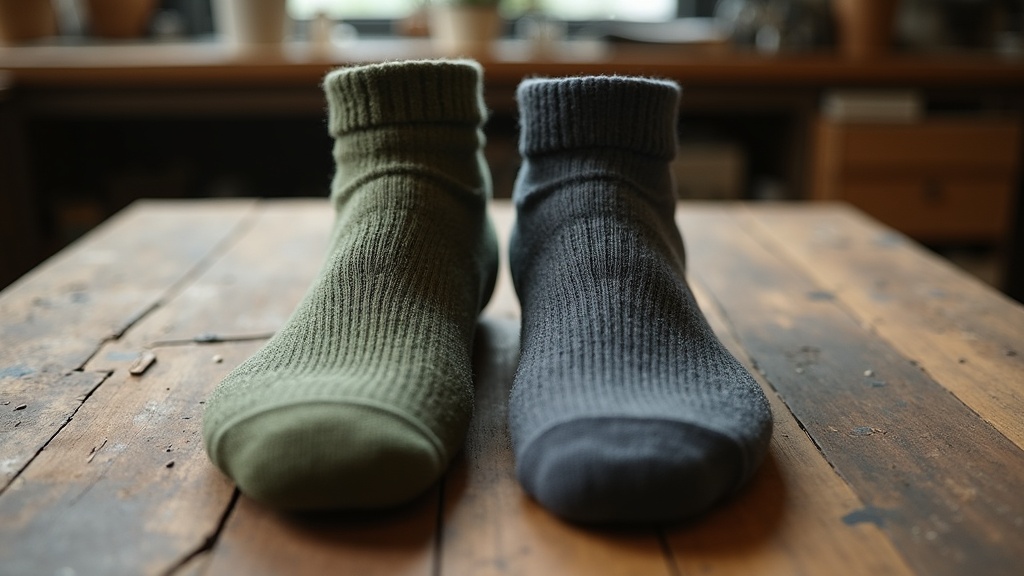
Most "unisex" work socks are just men's socks in smaller sizes. The heel cup, toe box, and arch placement don't match a woman's foot geometry. That mismatch causes blisters and arch pain, not the concrete itself.
The Darn Mason Cushion solves this. Same merino quality, same guarantee, designed around a women's last from the start. Fits inside work boots properly and stays put.
For women on a tighter budget, Smartwool's Women's PhD Outdoor Light Crew is a solid step down in price without giving up much performance.
Are Compression Socks Worth It for Standing on Concrete All Day?
Short answer: yes, if you're on your feet six hours or more and your legs feel heavy or swollen by end of shift. Compression helps blood move back up from your feet and reduces the fatigue that builds in your calves and ankles over a long day.
The Swiftwick Pursuit Eight is a genuine work-grade compression sock, not a medical-device knockoff. Merino blend, firm graduated compression (15-20 mmHg), and enough cushion to protect on hard floors.
What to watch: compression socks have to fit properly. Too tight around the calf and you restrict circulation instead of helping it. Measure your calf circumference before ordering and use the size chart, not just your shoe size.
Did you know?
Graduated compression socks, which are tighter at the ankle and gradually looser toward the knee, were originally developed for post-surgical recovery and long-haul flight passengers. Industrial workers started adopting them in the early 2000s, and several studies since have confirmed measurable reductions in leg fatigue and swelling after shifts longer than six hours on hard surfaces.
Merino Wool vs. Cotton vs. Synthetic: Which Material Actually Works
This is where most buyers get it wrong. Cotton is everywhere and cheap. It's also the worst material for a hard floor work environment. Here's the real breakdown.
| Material | Moisture Management | Durability | Verdict for Concrete |
|---|---|---|---|
| Merino Wool | Excellent, wicks and regulates temperature | High (resists pilling with good care) | Best overall choice |
| Nylon/Polyester Blend | Good, dries fast, stays dry longer | Very high, resists wear well | Great value pick, less odor-resistant |
| Wool/Synthetic Blend | Excellent, combines benefits of both | High, nylon adds structural longevity | Best all-around balance |
| Cotton | Poor, holds moisture against skin | Low, cushion packs out fast | Avoid for all-day concrete work |
| Bamboo Blend | Moderate, soft but not as durable | Moderate, wears faster under boot friction | Good for light-duty, not heavy trades |
How to Make Your Work Socks Last Longer (Most Guys Skip This)
You can buy the best pair on the market and kill it in two months with bad washing habits. Heat is what destroys socks. The dryer shrinks wool, breaks down elastane, and collapses the cushion loops.
- Wash in cold water, always. Hot water degrades the fiber bonds.
- Air dry when possible. If you must use a dryer, use the lowest heat setting.
- Rotate three to four pairs. The same pair every day wears out three times faster than rotating pairs do.
- Turn socks inside out before washing to reduce pilling on the outside.
- Never use fabric softener on wool or technical synthetics. It coats the fibers and kills moisture-wicking performance.
A $25 pair washed right outlasts a $10 pair washed wrong by a factor of three to four. Do the math on that over a year.
The Bottom Line: Spend $15 Now or $200 Later on a Podiatrist
Plantar fasciitis treatment runs $150 to $400 out of pocket if you're uninsured. Orthotics on top of that. Time off the job if it gets bad enough.
A pair of Darn Tough or Carhartt work socks runs $12 to $28. They protect your heel, they manage your sweat, and they stay put all shift. That's the whole calculation.
If you're on concrete more than four hours a day, five days a week, treat your socks the same way you treat your boots: buy quality once and maintain them. Your body keeps score whether you pay attention to it or not.
Explore more
Can Expensive Work Socks Actually Save You Money?
Best Work Socks for Concrete Floors: What Actually Holds Up
Cotton vs Merino vs Synthetic Socks for the Trades: Real Talk
Best Heavy Duty Work Socks: Built for the Full Shift
